What precautions should be taken during the treatment of orchitis?
Aug 24, 2022
Source: Cainiu Health
Dr. Li Mingchuan
Introduction
Continue treatment until the disease is fully resolved to ensure complete eradication of the causative bacteria and prevent recurrence. Treatment of orchitis must strictly follow the physician’s instructions; safe and effective medications can successfully treat orchitis—self-medication or inappropriate drug use must be avoided. Sexual intercourse is strictly prohibited during orchitis treatment, as it increases the burden on the testes and may predispose to bacterial infection of the genital organs.
Because orchitis can delay recovery if inadequate care is provided during treatment, patients often worry about improper management. So, what precautions should be taken during orchitis treatment?
What Precautions Should Be Taken During Orchitis Treatment?
Adhere strictly to the prescribed treatment regimen until full recovery is achieved, ensuring complete eradication of pathogenic bacteria and preventing disease recurrence. Treatment must follow medical instructions precisely; safe and effective medications—rather than self-prescribed or inappropriate drugs—are essential for successful management of orchitis. Sexual intercourse is strictly prohibited during treatment, as it increases strain on the testes and raises the risk of genital bacterial infection, thereby interfering with orchitis recovery. For male patients, elevating the scrotum (e.g., using supportive underwear or a scrotal support) is recommended, as antimicrobial and anti-inflammatory therapy forms the cornerstone of orchitis management. Patients should prioritize rest and may apply local warm compresses to the scrotum; scrotal elevation aids in reducing swelling and promoting healing. Additionally, maintaining good personal hygiene is crucial to prevent secondary genital infections that could exacerbate orchitis symptoms.

Fruits and fresh vegetables are indispensable components of a healthy diet. Increasing intake of vitamin C–rich foods helps enhance the body’s natural anti-inflammatory capacity. However, avoid so-called “heat-inducing” or “inflammatory-triggering” foods such as pig trotters, fish soup, and mutton, as these may stimulate increased secretion at the inflamed site and worsen orchitis progression.
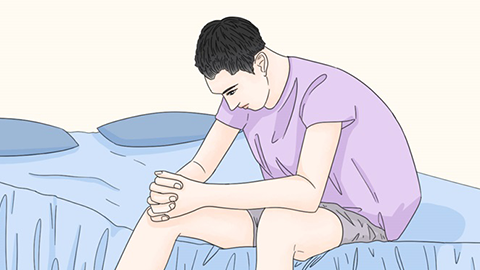
During treatment, avoid spicy and irritating foods, smoking, alcohol consumption, prolonged sitting, excessive sexual activity, and frequent masturbation. We hope this information proves helpful!