Causes of Recurrent Mouth Ulcers
Aug 24, 2022
Source: Cainiu Health

Dr. Zhang Liwen
Introduction
The most common type of oral ulcer is the aphthous ulcer, also known as recurrent aphthous stomatitis (RAS). The precise etiology of RAS remains unclear but is generally attributed to a triad of factors: genetic predisposition, environmental triggers, and immune dysregulation. In genetically susceptible individuals, environmental factors can provoke an aberrant immune response, leading to the characteristic lesions of oral ulcers—namely, the interplay between genetic and environmental factors.
Recurrent oral ulcers are quite familiar to most people; however, many individuals remain unaware of their underlying causes—and lack of clarity regarding etiology can significantly impact treatment efficacy. So, what causes recurrent oral ulcers?
Causes of Recurrent Oral Ulcers
The most common type of oral ulcer is the aphthous ulcer—also known as recurrent aphthous stomatitis (RAS). The precise clinical etiology of RAS remains unclear but is generally attributed to a triad of factors: genetics, environment, and immunity. In genetically predisposed individuals, environmental triggers may provoke abnormal immune responses, leading to the characteristic lesions of oral ulcers. These contributing factors include both genetic susceptibility and environmental influences. Environmental factors encompass constitutional and psychobehavioral elements—including mental and physical health status, psychological state, lifestyle, occupational stress, and broader sociocultural conditions.
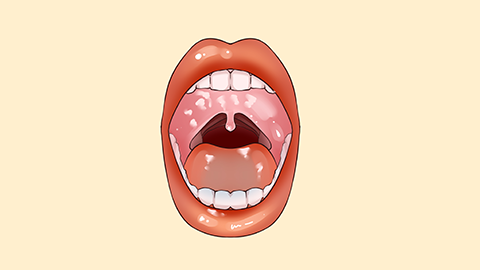
Patients with oral ulcers may benefit from supplementation with B-complex vitamins, vitamin C, folic acid, iron, or zinc—but such supplementation should only follow proper diagnostic evaluation. Treatment must be individualized based on the patient’s specific clinical presentation. Patients are advised to consult a dentist or a specialist in oral mucosal diseases for thorough assessment and evidence-based management under professional guidance.

Dietary measures can also support healing: patients should consume fresh vegetables and fruits rich in vitamins and trace elements. Recommended vegetables include spinach, cucumber, tomato, cabbage, eggplant, and potato; recommended fruits include pear, persimmon, papaya, apple, and grape. We hope this information proves helpful. Wishing you optimal health and joyful living!