Nursing Diagnoses and Interventions for Pancreatitis
Aug 24, 2022
Source: Cainiu Health

Dr. Zhao Haiming
Introduction
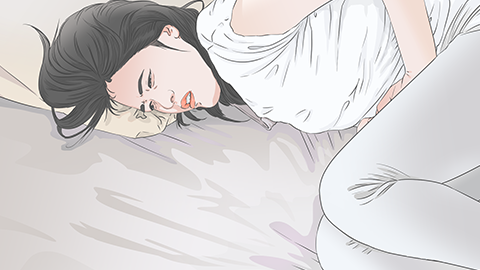
In the early stage of pancreatitis, fasting and fluid restriction are required; gastric decompression may also be necessary. Once the condition stabilizes, oral intake can gradually resume—starting with clear fluids, then progressing to liquid diets, and eventually advancing to a normal diet. The fundamental dietary principles are light, easily digestible foods; avoid overeating, smoking, and alcohol consumption. High-protein and high-fat foods should be avoided. Patients with pancreatitis may benefit from bed rest in a lateral decubitus position to alleviate discomfort.
With the accelerating pace of modern life, many individuals are diagnosed with pancreatitis due to irregular eating habits or other contributing factors. Upon diagnosis, patients often seek clarity regarding appropriate nursing interventions. What, then, are the nursing diagnoses and interventions for pancreatitis?
Nursing Diagnoses and Interventions for Pancreatitis
During the initial phase of pancreatitis, patients must fast completely—neither food nor fluids are permitted—and may require gastric decompression (e.g., nasogastric tube suction). Once the condition stabilizes, oral intake may gradually resume: first clear fluids, then bland, easily digestible liquid diets, progressing slowly toward a normal diet. Dietary principles emphasize light, low-fat, low-protein meals; patients must avoid overeating, smoking, and alcohol consumption. High-protein and high-fat foods should be strictly avoided. Patients are advised to rest in bed, preferably in a lateral decubitus position, to alleviate discomfort. Gentle physical activity may be introduced as tolerated to promote gastrointestinal recovery. Maintaining emotional well-being and psychological relaxation is also beneficial for disease recovery.
Pancreatitis commonly arises from biliary causes—including gallstones in the gallbladder or bile ducts—as well as hyperlipidemia. For instance, excessive consumption of fatty meats and seafood may elevate serum triglyceride levels above 11.3 mmol/L, significantly increasing the risk of acute pancreatitis. Alcohol-induced pancreatitis is also common, particularly with heavy intake of spirits or beer, which may trigger nausea, vomiting, and subsequently precipitate acute pancreatitis.

During the acute phase of pancreatitis, fasting is mandatory, often accompanied by gastric decompression. Intravenous fluid therapy is essential to maintain nutritional support and hydration, while electrolyte levels must be closely monitored and imbalances corrected appropriately based on laboratory results. After recovery or stabilization of the condition, dietary reintroduction should begin with bland, low-fat liquid foods—such as rice water—and progress cautiously, avoiding overconsumption. We hope this article proves helpful to you!