Does staying up late frequently lead to weight loss?
Aug 24, 2022
Source: Cainiu Health

Dr. Xu Gang
Introduction
Whether staying up late frequently leads to weight loss varies from person to person and cannot be generalized. For some individuals, chronic sleep deprivation—often accompanied by irregular work and rest schedules—can impair gastrointestinal function, cause indigestion, and suppress appetite. Over time, this may result in weight loss. Conversely, others who stay up late frequently consume late-night snacks, sleep during the day, and reduce physical activity, which can lead to weight gain.
Staying up late has become commonplace among young people, yet it poses significant health risks to the human body. So, does frequent late-night activity lead to weight loss?
Does frequent staying up late cause weight loss?
Frequent late-night activity may or may not result in weight loss—it varies from person to person and cannot be generalized. For some individuals, irregular work and rest schedules due to chronic sleep deprivation can impair gastrointestinal function, cause indigestion, and suppress appetite. Over time, this may lead to weight loss. Conversely, others who stay up late often consume late-night snacks, sleep during the day, reduce physical activity, and consequently gain weight. Moreover, insufficient sleep increases obesity risk in certain individuals. Regardless of whether weight loss or gain occurs, staying up late remains an unhealthy lifestyle.
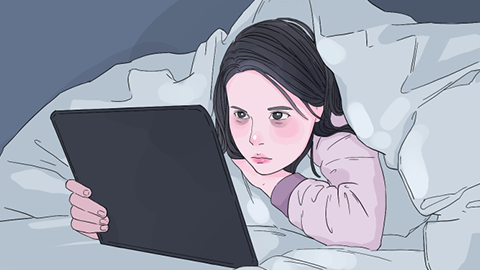
Individuals who frequently stay up late should ensure adequate nutritional intake. Moderately increasing consumption of nutrient-dense foods—such as beef, lamb, milk, and eggs—can help replenish energy and nutrients depleted by sleep deprivation. Additionally, patients should supplement with sufficient lecithin and high-quality protein, found in nuts including walnuts, pecans, almonds, cashews, and hazelnuts, which enhance neuronal activity, improve memory, and provide optimal nourishment for brain cells. Furthermore, adequate electrolytes and vitamins—obtainable from fruits such as watermelon, apples, oranges, and lemons—should be consumed to alleviate physical fatigue. Nevertheless, these individuals are strongly advised to promptly adjust their daily routines and establish consistent, reasonable sleep-wake schedules to prevent more serious health consequences.
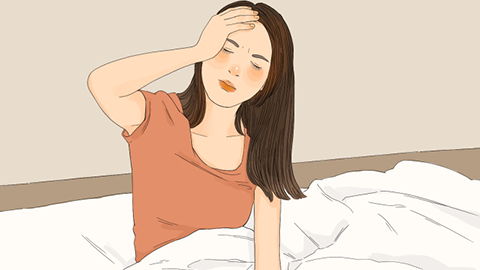
Patients should maintain a regular lifestyle and avoid habitual late-night activity. We hope this response is helpful to you.