


The Hazards of Staying Up Late and Using Mobile Phones for Extended Periods
Aug 24, 2022
Source: Cainiu Health

Dr. Yang Jun
Introduction
The primary harm of prolonged late-night smartphone use is to the skin. Frequent late-night activity disrupts normal circadian rhythms, leading to excessive sebum secretion by sebaceous glands in hair follicles during nighttime hours. This excess sebum accumulates on the skin surface, potentially clogging follicular orifices and creating a hypoxic environment within the follicles, thereby promoting the growth of anaerobic bacteria. As these anaerobic bacteria proliferate, they cause significant infiltrative changes in surrounding tissues, predisposing individuals to folliculitis.
Staying up late has become a common lifestyle among young people, yet it can trigger various health problems. So, what are the hazards of prolonged late-night smartphone use?
Hazards of Prolonged Late-Night Smartphone Use
The primary adverse effect of prolonged late-night smartphone use is on the skin. Frequent sleep deprivation leads to excessive sebum secretion by sebaceous glands during nighttime hours. This excess sebum accumulates on the skin surface, potentially clogging hair follicle openings and creating a hypoxic environment within the follicles—favoring the proliferation of anaerobic bacteria. As these bacteria multiply, they cause significant infiltrative changes in surrounding tissues, increasing susceptibility to folliculitis. Consequently, individuals who habitually stay up late using smartphones are more prone to developing acne (pimples). Moreover, late-night smartphone use weakens immune function; poor rest also impairs metabolic rate, potentially contributing to numerous health conditions—including allergic reactions or systemic symptoms attributable to compromised immunity.
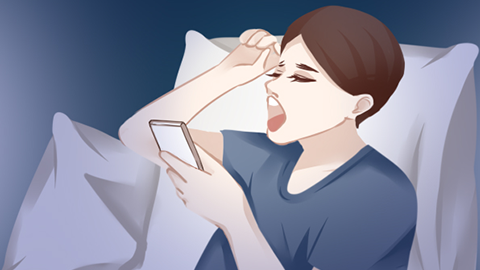
Prolonged late-night smartphone use may also cause eye strain and blurred vision. Chronic visual fatigue can lead to decreased visual acuity and elevate the risk of myopia. Using smartphones while lying on one’s side further increases the likelihood of astigmatism. Additionally, chronic sleep deprivation disrupts endocrine balance, adversely affecting skin health and resulting in dark circles, hyperpigmentation, and acne. Disruption of circadian rhythms due to persistent late-night activity leads to insufficient sleep, potentially causing headaches and dizziness the following morning. Over time, such habits may contribute to anxiety, depression, or neurasthenia—posing serious risks to mental health.
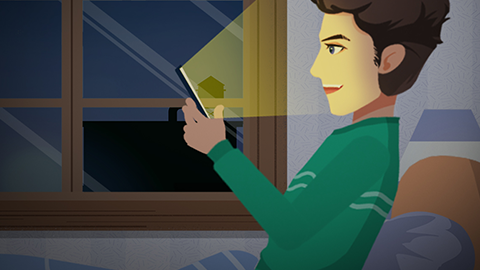
Patients should avoid prolonged late-night smartphone use and instead maintain a regular, healthy daily routine. We hope this information proves helpful.









