


Can patients with intracerebral hemorrhage drink milk?
Aug 24, 2022
Source: Cainiu Health

Dr. Yang Jun
Introduction
If a patient with intracerebral hemorrhage does not have lactose intolerance, they may consume milk in moderation. However, low-fat or skim milk is preferable to prevent worsening of hyperlipidemia. Milk contains high-quality protein, calcium, and vitamins, all of which are beneficial to health. Moderate milk consumption can help improve the patient’s overall physical condition and may also play a supportive role in disease recovery.
In daily life, intracerebral hemorrhage is a highly dangerous condition. If not carefully managed, it may lead to rupture of blood vessels and massive bleeding, delivering a potentially fatal blow to the patient’s health. Prompt treatment is therefore essential. So, can patients with intracerebral hemorrhage drink milk?
Can patients with intracerebral hemorrhage drink milk?
Patients with intracerebral hemorrhage who do not have lactose intolerance may consume milk in moderation. However, low-fat or skim milk is preferable to help prevent worsening of hyperlipidemia. Milk contains high-quality protein, calcium, and vitamins—all beneficial for health. Moderate milk consumption can help improve the patient’s physical condition and support recovery from the disease. Nevertheless, before administering milk, it is essential to assess the patient’s individual clinical status—particularly evaluating for risk of aspiration or dysphagia—to prevent aspiration pneumonia. Milk intake should be carefully controlled to avoid overburdening the gastrointestinal tract.
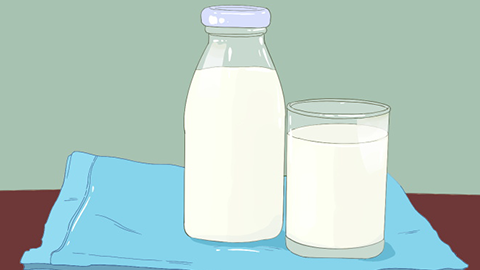
Patients with intracerebral hemorrhage may drink milk, provided they are conscious and able to swallow safely. For those unable to eat orally, milk can be administered via nasogastric tube feeding to ensure adequate nutritional intake. Dietary management should emphasize avoidance of high-fat and pro-inflammatory foods, while promoting regular bowel movements. Thus, patients should consume easily digestible foods, fruits, and vegetables to maintain bowel regularity and prevent constipation—which could otherwise exacerbate or trigger recurrent hemorrhage. During the recovery phase, milk and other high-quality protein sources are indeed appropriate, provided aspiration risk is minimized. Once the patient’s condition has stabilized, early initiation of rehabilitation therapy is strongly recommended to restore limb function.

Patients are advised to follow a low-salt, low-fat diet rich in high-quality protein, while avoiding spicy and irritating foods. A nutritionally balanced diet is essential. We hope this information is helpful to you.





