


How to Treat the Symptoms of Rhinitis
Aug 24, 2022
Source: Cainiu Health

Dr. Xu Gang
Introduction
Rhinitis is generally treated with medications and surgery. Medication therapy is currently the most common treatment approach, which primarily includes two types: oral medications and topical medications. Oral medications help restore the function of the nasal mucosa, thereby achieving therapeutic goals.
Rhinitis, as a common condition, causes considerable inconvenience to patients. It not only affects patients’ health but also significantly impairs their daily life and work performance. Consequently, the demand for effective rhinitis treatment among patients has become increasingly urgent. So, how should rhinitis be treated?
How to Treat Rhinitis Symptoms
In most cases, rhinitis can be managed through medication or surgery. Pharmacotherapy is currently the most widely used treatment approach and primarily involves two modalities: oral medications and topical (local) medications. Oral medications aim to restore the normal function of the nasal mucosa, thereby achieving therapeutic effects. Although oral therapy often yields rapid results, the risk of recurrence remains relatively high. Topical medications—such as nasal decongestant drops—work by stimulating the nasal mucosa during application (e.g., during nasal irrigation or “CAR” procedures), thereby exerting anti-inflammatory effects. However, while topical treatments are fast-acting and effective, patients may easily develop drug dependence.
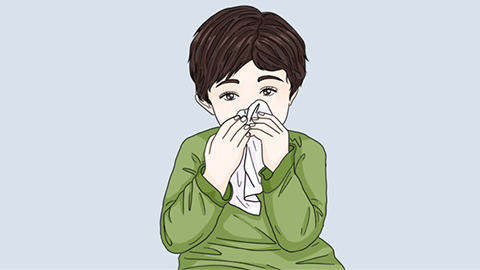
If rhinitis symptoms are severe, surgical intervention is recommended. Moreover, surgery generally offers superior and more rapid therapeutic outcomes; patients may choose from various techniques—including laser or microwave ablation—based on their individual clinical circumstances. While these procedures effectively alleviate rhinitis symptoms, they may cause necrosis of the nasal mucosa. As a result, postoperative scarring may occur at the surgical site, and the recurrence rate tends to be relatively high.
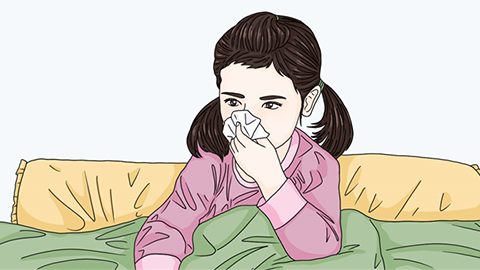
Patients are advised to maintain a balanced diet, avoid spicy or irritating foods, manage stress effectively, and maintain stable emotional well-being—all of which contribute meaningfully to disease improvement. Additionally, patients should stay warm and closely monitor their symptoms. We hope this information proves helpful to you.




