


Causes of Unilateral Nosebleeds
Aug 24, 2022
Source: Cainiu Health

Dr. Xu Gang
Introduction
Nasal mucosal injury is the primary cause of unilateral epistaxis. Common causes include nasal mucosal trauma, dry ambient air, fever, improper nose picking, or external injury. Unilateral epistaxis may also result from systemic diseases such as arteriosclerosis, hypertension, vitamin deficiencies, hematologic disorders, or thrombocytopenia. Therefore, if recurrent epistaxis occurs, prompt medical evaluation at a hospital is recommended for further investigation.
Epistaxis (sudden nosebleed) is a common symptom most people encounter in daily life—especially during hot, dry seasons. So, what causes unilateral (one-sided) nosebleeds?
Causes of Unilateral Nosebleeds
Nasal mucosal injury is the primary cause of unilateral epistaxis. Common contributing factors include nasal mucosal trauma, dry ambient air, fever, improper nose-picking, or external injury. Unilateral nosebleeds may also stem from systemic conditions such as arteriosclerosis, hypertension, vitamin deficiencies, hematologic disorders (e.g., thrombocytopenia), or coagulopathies. Therefore, recurrent or frequent epistaxis warrants prompt medical evaluation at a hospital to identify the underlying cause and initiate appropriate treatment.
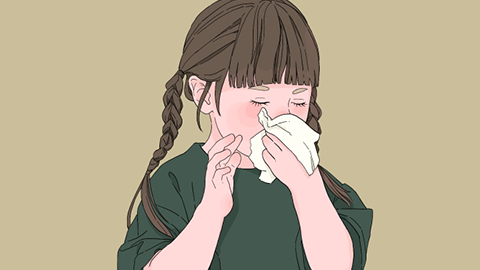
In cases of sudden unilateral epistaxis, immediate hemostatic measures are essential. Apply a cold towel to the forehead and occipital region. Simultaneously, use the index finger of one hand to apply firm pressure to the affected side of the nasal ala (nostril wing). Most patients can achieve spontaneous hemostasis this way. However, if bleeding persists beyond 20 minutes—or if episodes recur frequently—medical evaluation is necessary. Diagnostic tests may include nasal endoscopy, complete blood count (CBC), and coagulation profile assessment to locate the bleeding site and determine its etiology. Severe or persistent cases require urgent hospital referral for comprehensive evaluation and management.
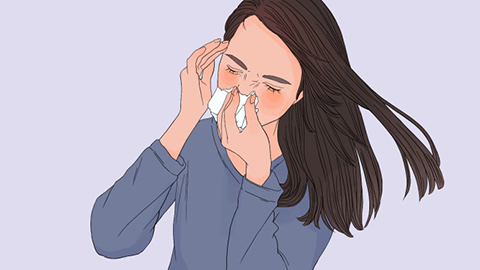
To help prevent nosebleeds, maintain good nasal hygiene and avoid consuming “heat-inducing” foods (e.g., spicy or fried items) before bedtime. We hope this information proves helpful.






