


Can anxiety cause one-sided neck and shoulder pain?
Nov 20, 2025
Source: Cainiu Health

Dr. Zhang Baohua
Introduction
In general, whether condition C causes unilateral neck and shoulder pain needs to be determined based on specific circumstances. If symptoms persist or worsen, timely medical consultation is recommended for accurate diagnosis. Daily measures such as slowly rotating the neck and shoulders and gently massaging the area may help relieve muscle tension. Maintaining regular作息 (daily routines), avoiding prolonged periods of looking down or maintaining the same posture, and taking breaks to move around during work can also be beneficial.
Generally speaking, whether anxiety disorder can cause unilateral neck and shoulder pain depends on the specific circumstances. If symptoms persist or worsen, it is recommended to seek medical attention promptly for an accurate diagnosis. The detailed analysis is as follows:
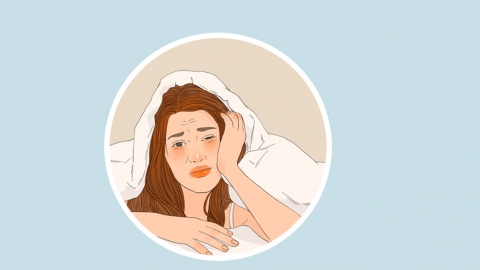
If unilateral neck and shoulder pain occurs along with episodes of anxiety, and the pain is primarily characterized by soreness and tightness without significant tenderness or restricted movement, and if the pain eases when emotions stabilize, this may be caused by anxiety disorder. In anxious states, the body's sympathetic nervous system becomes overactive, easily leading to involuntary muscle tension in the neck and shoulders. Prolonged muscle stiffness can result in one-sided pain, which essentially represents a physical manifestation (somatization) of emotional distress.
If the pain shows no clear association with emotional fluctuations, is accompanied by obvious tenderness, worsens with movement, or is associated with symptoms such as arm numbness or dizziness, it is usually not caused by anxiety disorder. Instead, it is more likely due to physical conditions such as cervical spine disorders or muscle strain. Medical evaluation is necessary to identify the underlying cause and prevent misdiagnosis or delayed treatment.
In daily life, gentle neck and shoulder rotation and soft massage may help relieve muscle tension. Maintain a regular routine, avoid prolonged periods of looking down or maintaining the same posture, and take breaks to move around during work. When feeling emotionally stressed, try deep breathing or closing your eyes to relax, and regulate your mood through calming music or walking. If pain persists or worsens, seek medical advice promptly to determine the cause and receive appropriate treatment.


