


What Causes Neural Tinnitus?
Aug 24, 2022
Source: Cainiu Health

Dr. Xu Gang
Introduction
Neurological tinnitus includes sensorineural tinnitus, peripheral neural tinnitus, and central neural tinnitus. Sensorineural tinnitus—often induced by ototoxic drugs—can lead to conditions such as Ménière’s disease, cochlear hydrops, and otosclerosis, resulting in tinnitus accompanied by hearing loss. Peripheral neural tinnitus is primarily caused by tumors, such as acoustic neuromas, affecting the peripheral auditory nerve.
For patients, neural tinnitus may manifest as a subjective sensation—often described as abnormal sounds perceived near the ears. This condition is primarily caused by ear disorders or vascular diseases. Additionally, it may be associated with excessive or inappropriate use of medications. Therefore, individuals should monitor their symptoms closely in daily life. But what exactly causes neural tinnitus?
What Causes Neural Tinnitus?
Neural tinnitus encompasses several subtypes, including sensorineural tinnitus, peripheral neural tinnitus, and central neural tinnitus. Sensorineural tinnitus may result from ototoxic drug use and is associated with conditions such as Ménière’s disease, cochlear hydrops, and otosclerosis—leading to tinnitus accompanied by hearing loss. Peripheral neural tinnitus is commonly caused by tumors affecting the auditory nerve, such as acoustic neuromas. Central neural tinnitus arises from abnormalities in the brainstem or auditory cortex—for example, due to infections or impaired cerebral blood supply—resulting in tinnitus symptoms.
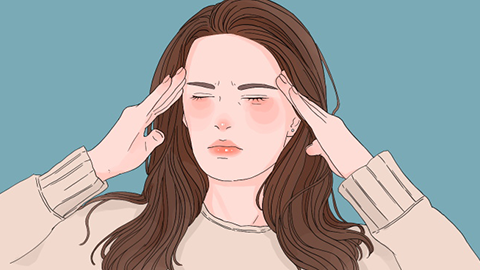
Predisposing factors include noise exposure, prolonged occupational noise exposure, and poor ear habits—such as extended headphone use or excessively high volume levels. Psychological factors—including stress, mental fatigue, and negative emotions—can also trigger or exacerbate tinnitus. Neural tinnitus may be treated with topical ear drops. Commonly used ear drops—such as levofloxacin otic solution or lomefloxacin otic solution—are primarily indicated for otitis externa or otitis media.
In daily life, cultivating healthy lifestyle habits is essential. We hope this information proves helpful to you.




