


How to quickly relieve persistent tinnitus
Nov 28, 2025
Source: Cainiu Health

Dr. Lu Cheng
Introduction
Persistent tinnitus may be caused by insufficient sleep, high mental stress, Ménière's disease, otitis media, or neurogenic tinnitus. It can be improved through catching up on sleep, resting, emotional regulation, and medication. If tinnitus lasts longer than one week or is accompanied by hearing loss or dizziness, prompt medical attention is necessary. Long-term staying up late and poor sleep quality can lead to nervous system dysregulation.
Persistent tinnitus may be caused by lack of sleep, high mental stress, Ménière's disease, otitis media, or neurological tinnitus. Symptoms can be improved through adequate rest, emotional regulation, and medication. If tinnitus lasts more than one week or is accompanied by hearing loss or dizziness, prompt medical attention is necessary.
1. Sleep deprivation: Chronic late nights and poor sleep quality can disrupt nervous system regulation, leading to persistent tinnitus, often accompanied by fatigue and difficulty concentrating. It is recommended to maintain a regular sleep schedule, ensure 7–8 hours of sleep per night, avoid electronic devices before bedtime, and create a quiet and restful sleeping environment.
2. High mental stress: Prolonged anxiety and tension can cause autonomic nervous system dysfunction, affecting inner ear blood circulation and triggering tinnitus, which may be accompanied by palpitations and insomnia. Emotional regulation through exercise, meditation, and other relaxation techniques is recommended to reduce psychological burden. Psychological counseling should be sought when necessary.
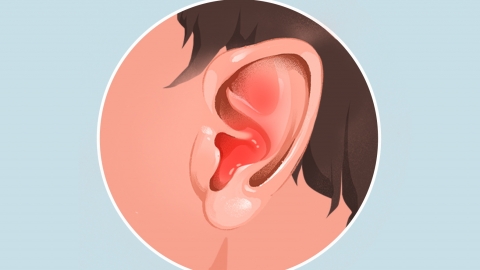
3. Ménière's disease: Abnormal metabolism of inner ear lymph leads to endolymphatic hydrops (fluid accumulation in the membranous labyrinth), causing tinnitus, often accompanied by vertigo, a feeling of fullness in the ear, and fluctuating hearing loss. Patients may take medications such as betahistine tablets, diuretics, or mecobalamin under medical guidance to relieve symptoms.
4. Otitis media: Inflammation of the middle ear caused by bacterial or viral infection affects auditory conduction and results in tinnitus, often accompanied by ear pain and increased ear discharge. Treatment may include antibiotics like cefuroxime axetil tablets, ofloxacin ear drops, or amoxicillin capsules, used under a doctor’s supervision to alleviate symptoms.
5. Neurological tinnitus: Damage to inner ear nerve cells or abnormal neural conduction causes persistent tinnitus, typically perceived as a ringing or buzzing sound (e.g., like crickets). Under medical advice, patients may use medications such as ginkgo biloba extract tablets, vitamin B12 tablets, or flunarizine capsules to improve symptoms.
Maintain a regular routine and avoid staying up late; eat a light diet and avoid spicy or irritating foods; stay away from noisy environments to reduce ear irritation; engage in moderate exercise to promote blood circulation; keep a positive mood; and protect your hearing to help alleviate tinnitus.




