


Hazards of Chronic Pharyngitis
Aug 24, 2022
Source: Cainiu Health

Dr. Xu Gang
Introduction
Chronic pharyngitis can impair swallowing and may also be accompanied by symptoms such as headache. Swallowing dysfunction is often the earliest manifestation of chronic pharyngitis; inflammation in the throat may stimulate the esophageal nerves, leading to a variety of symptoms—including even diaphragmatic spasm, which constitutes a serious hazard. In fact, the inflammatory process can cause significant headache, and the cavernous sinus within the cranium is itself a critically important structure in the human body.
Pharyngitis is a common condition encountered in daily life. Once chronic pharyngitis develops, discomfort and pain in the throat naturally occur. Generally, chronic pharyngitis progresses relatively slowly, sometimes making early detection difficult—yet it still poses several health risks. So, what are the hazards of chronic pharyngitis?
Hazards of Chronic Pharyngitis
Chronic pharyngitis can impair swallowing and may be accompanied by symptoms such as headache. Initially, it affects swallowing function; inflammation in the throat can irritate the esophageal nerves, leading to various symptoms—including even diaphragmatic spasm, which represents a serious risk. In fact, inflammation may cause pronounced headaches, and the cavernous sinus—a vital structure within the cranial cavity—can also become involved. Once inflamed, it may readily lead to cavernous sinus thrombosis, resulting in symptoms such as headache and ophthalmoplegia (fixed eyeball). Moreover, uncontrolled chronic pharyngitis may trigger thyroid disorders.
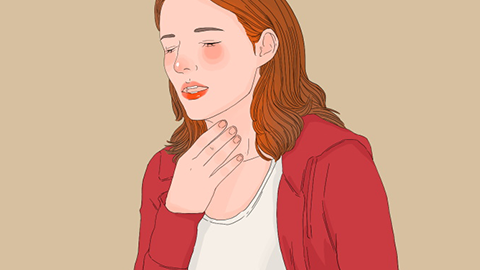
The head itself serves a supportive role in connecting the skull and the cervical spine, yet it is also an anatomically complex region with frequent joint rotation. Consequently, chronic pharyngitis may contribute to the development of cervical spondylosis, ultimately causing dizziness and insomnia. In severe cases, it may even lead to significant neurological dysfunction—including more pronounced symptoms such as persistent insomnia. Furthermore, the inflammatory process may extend into the cervical spine, warranting close attention.

Regarding diet, patients should drink plenty of water, consume ample vegetables and fruits, and avoid spicy or pungent foods. When outdoors, take care to protect the oral and pharyngeal mucosa. We hope this information proves helpful.




