


What are the hazards of chronic pharyngitis?
May 20, 2022
Source: Cainiu Health

Dr. Guo Xiheng
Introduction
Patients may experience swelling in the pharyngeal region, a sensation of a foreign body in the throat, and difficulty swallowing during meals. Individuals with chronic pharyngitis frequently report discomfort in the throat. During colds, fatigue, excessive talking, or prolonged periods without drinking water, they may develop sore throat, intensified burning sensations, and throat itching that triggers paroxysmal irritative coughing—thereby disrupting rest.
Many friends around us develop chronic pharyngitis each autumn or whenever cold air arrives. This condition develops gradually and persistently compromises health. Moreover, chronic pharyngitis is difficult to cure definitively; symptom relief primarily relies on dietary adjustments and preventive measures in daily life. So, what are the potential harms of chronic pharyngitis?
What Are the Harms of Chronic Pharyngitis?
Patients may experience swelling in the throat region, along with a persistent sensation of a foreign body. Swallowing during meals can become uncomfortable or difficult. Individuals with chronic pharyngitis frequently report general discomfort in the pharynx. Symptoms such as sore throat, intensified burning sensation, and throat itching—leading to paroxysmal irritative coughing—often worsen during colds, fatigue, excessive talking, or prolonged dehydration, thereby disrupting rest. If left untreated, the inflammation may spread downward into the larynx, trachea, and other lower respiratory tract structures, potentially triggering acute laryngitis, tracheitis, bronchitis, or even pneumonia. Furthermore, if pathogenic bacteria and their toxins enter the bloodstream, systemic complications—including acute glomerulonephritis, sepsis, and rheumatic disease—may ensue, posing serious threats to overall health.
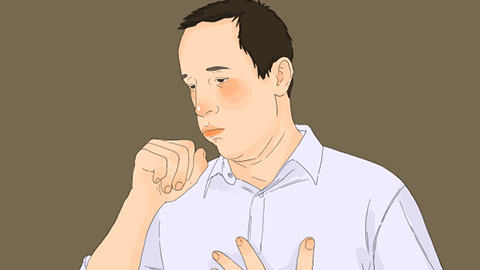
Note: Maintain a light, bland diet—avoid frequent consumption of raw, cold, spicy, or highly stimulating foods, such as ice cream, spicy crayfish, or hotpot. Smoking and alcohol consumption should be discontinued entirely to prevent irritation of the pharyngeal mucosa. Additionally, minimize exposure to pathogens and irritants—including dust, harmful gases, pungent foods, and environments with poor air quality—as these can all provoke mucosal irritation.
During recovery, patients are advised to appropriately reduce work-related stress, learn effective self-regulation techniques, and strive to maintain a relaxed and cheerful mindset—all of which support favorable disease recovery. We hope this information proves helpful to you! Wishing you robust health and joyful living!




