


Solutions for Tinnitus at High Altitudes
Aug 24, 2022
Source: Cainiu Health

Dr. Xu Gang
Introduction
Most patients’ tinnitus symptoms can be relieved through ear massage or by pinching the nose and blowing gently. Concurrently, it is important to monitor for nasal congestion or cold symptoms. Nasal congestion or a cold may lead to eustachian tube inflammation, eustachian tube obstruction, and subsequent tinnitus. For such patients, pharmacological treatment is required. During drug therapy, regular follow-up visits and close observation of disease progression are essential.
Tinnitus may occur in high-altitude environments, primarily due to changes in atmospheric pressure and stimulation of the eardrum—this is known as “high-altitude tinnitus.” So, what are the solutions for high-altitude tinnitus?
Solutions for High-Altitude Tinnitus
In most patients, tinnitus symptoms can be alleviated through ear massage or by performing the Valsalva maneuver (pinching the nose and gently blowing). Concurrently, it is important to monitor for nasal congestion or signs of a cold. Nasal congestion or an upper respiratory infection may lead to eustachian tube inflammation or obstruction, thereby triggering tinnitus. Such patients require adjunctive pharmacotherapy. During drug treatment, regular follow-up visits and close observation of symptom progression are essential. A minority of patients may need referral to an otolaryngology specialist for further diagnostic evaluation. Recommended tests include audiometry, nasopharyngoscopy, and otoscopy—these aid in more accurate diagnosis.
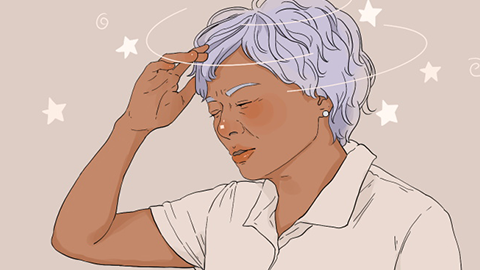
Due to decreased atmospheric pressure at high altitudes, individuals are more susceptible to colds or may develop barotrauma-related otitis media (aerotitis media) during air travel. If tinnitus results from this condition, antibiotic therapy and, if necessary, tympanostomy tube placement or other drainage procedures may be indicated. The most common causes of tinnitus at high altitude are fluctuations in ambient pressure and reduced oxygen concentration in the blood—commonly referred to as hypoxia. In such cases, it is crucial not to become overly anxious or stressed.
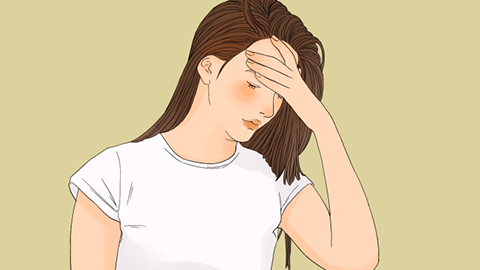
If hypoxia is suspected, prompt supplemental oxygen administration is advised. Patients should also prioritize rest to maintain physiological stability. We hope this information proves helpful.


