


Is tinnitus hereditary?
Aug 24, 2022
Source: Cainiu Health

Dr. Xu Gang
Introduction
Neurogenic tinnitus is not hereditary. This is because neurogenic tinnitus is not caused by congenital or familial genetic factors, but rather results from prolonged use of ototoxic drugs or exposure to noise, as well as vascular malformations secondary to conditions such as cervical spondylosis. Therefore, tinnitus associated with non-genetic disorders—such as otitis media, otosclerosis, or acoustic neuroma—should be managed with symptom-directed treatment.
The symptoms of neural tinnitus are typically persistent tinnitus. Some individuals can clearly localize the source of the tinnitus, whereas others may be uncertain about its precise location; however, in most cases, the sound is perceived as originating from within the head—this qualifies as tinnitus. So, is neural tinnitus hereditary?
Is Neural Tinnitus Hereditary?
Neural tinnitus is not hereditary. This is because it does not arise from congenital or familial genetic factors. Instead, it is commonly caused by prolonged exposure to ototoxic medications or noise, vascular malformations associated with conditions such as cervical spondylosis, or other non-genetic disorders—including otitis media, otosclerosis, or acoustic neuroma. Therefore, patients with neural tinnitus should receive targeted, symptom-based treatment to effectively restore hearing function.
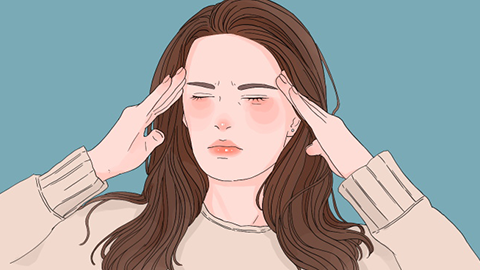
It is essential to cultivate healthy hearing habits. To prevent neural tinnitus, one must first adopt good auditory hygiene—avoiding exposure to high-decibel noise and using headphones and other audio devices responsibly. Specifically, avoid listening to audio at excessively high volumes in noisy environments—for example, refrain from using loud headphones while riding the subway. Additionally, eliminate the harmful habit of repeatedly cleaning the ears with cotton swabs or other objects. Repeated ear cleaning may damage the delicate skin of the ear canal and even predispose individuals to fungal infections, potentially triggering or exacerbating neural tinnitus. Avoiding repeated ear cleaning can thus help prevent neural tinnitus to some extent.
In daily life, maintain healthy lifestyle and dietary habits. We hope this information proves helpful to you.




