


How to Handle Nosebleeds in Children
Aug 24, 2022
Source: Cainiu Health

Dr. Xie Zixing
Introduction
At this point, the first priority is naturally to stop the bleeding. Parents should apply gentle but firm pressure with their fingers to both sides of the baby’s nostrils while instructing the child to keep the mouth open and breathe through it. Importantly, do **not** let the baby tilt the head backward—this is a common misconception. Doing so will not stop the bleeding; instead, it may cause blood to flow backward into the throat or airway.
While playing with your child in the park, an unexpected nosebleed occurs for unknown reasons—and you’re unsure how to respond. So, what should you do when a child experiences a nosebleed?
How to Manage a Child’s Nosebleed
The immediate priority is to stop the bleeding. Gently but firmly pinch the soft part of the child’s nostrils (the nasal wings) with your fingers for approximately 10 minutes. Encourage the child to breathe through their mouth during this time—keeping the mouth open helps maintain unobstructed breathing. Importantly, do not tilt the child’s head backward. This is a common misconception and can be dangerous: tilting the head back allows blood to flow down the throat, potentially triggering involuntary swallowing, nausea, or vomiting. Avoid stuffing tissues into the nostrils, as they are often not sterile and may further irritate the nasal mucosa. Alternatively, applying a cold compress or chilled towel to the child’s forehead may help constrict blood vessels and reduce bleeding.
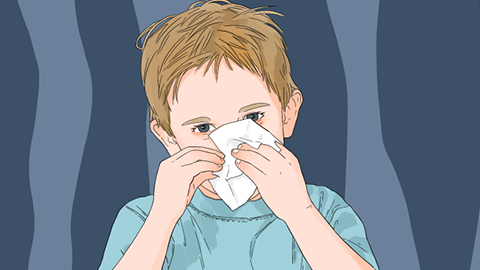
First, maintain adequate moisture of the nasal mucosa. Discourage children from picking their noses. In daily life, keep indoor air adequately humidified—especially during dry seasons. Using a humidifier is advisable if indoor air is excessively dry. Encouraging your child to drink warm water regularly also supports nasal hydration.
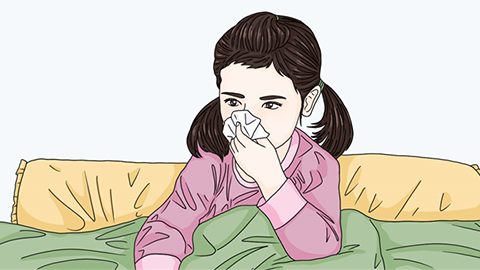
Dietary considerations are equally important. Minimize consumption of “heat-inducing” foods (per traditional Chinese medicine concepts), and limit intake of snacks—particularly highly processed or puffed foods. Instead, favor light, easily digestible meals. Additionally, protect the child’s nose from trauma or impact. We hope this guidance proves helpful!



