


Differences Between Lobar Pneumonia and Lobular Pneumonia
Aug 24, 2022
Source: Cainiu Health

Dr. Guo Xiheng
Introduction
The primary distinction between lobar pneumonia and bronchopneumonia lies in their imaging findings. In lobar pneumonia, chest CT and other imaging studies reveal patchy consolidation distributed according to anatomical lung lobes or segments. The margins of the lesions are typically indistinct; however, if an interlobar fissure is present, the lesion’s border may appear sharply defined. In bronchopneumonia, chest CT commonly demonstrates patchy consolidation distributed along the bronchovascular bundles.
Although living standards have significantly improved, this progress has come at a substantial cost to our living environment. With the establishment of factories, increasing amounts of industrial exhaust gases are released into the environment, leading to increasingly severe environmental and pulmonary health problems—many patients consequently develop pneumonia. So, what are the differences between lobar pneumonia and bronchopneumonia?
Differences Between Lobar Pneumonia and Bronchopneumonia
The primary distinction between lobar pneumonia and bronchopneumonia lies in their radiological findings. In lobar pneumonia, chest CT and other imaging studies typically reveal consolidation distributed according to anatomical lung lobes or segments. The margins of these consolidations are often indistinct; however, if an interlobar fissure is present, the lesion’s border may appear sharply defined. In contrast, bronchopneumonia usually manifests on chest CT as patchy areas of consolidation distributed along the bronchovascular bundles—these consolidations may coalesce.
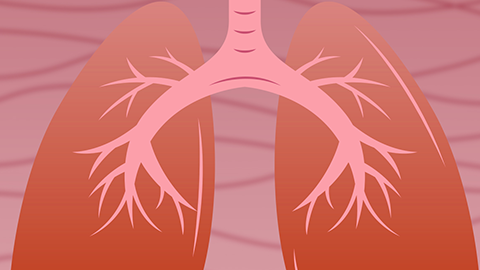
Lobar pneumonia is commonly caused by Streptococcus pneumoniae. Typical symptoms include high fever and chills, cough with sputum production, pleuritic chest pain, chest tightness, and shortness of breath. Patients often present with high-grade fever (>38°C), persisting for several days. Chills frequently accompany the febrile episodes. Early in the disease course, cough may predominate, with relatively scant sputum production. As the illness progresses, classically “rust-colored” sputum may appear. Due to the extensive area of lung parenchyma involved—and frequent involvement of the pleura—patients commonly experience pleuritic chest pain. Moreover, because large portions of lung tissue become dysfunctional, patients may develop chest tightness and dyspnea.

Upon developing pneumonia, patients should seek immediate medical attention and treatment. We hope this information proves helpful.


