


Differences Between Lobar Pneumonia and Bronchopneumonia
Jun 05, 2022
Source: Cainiu Health

Dr. Guo Xiheng
Introduction
The distinction between lobar pneumonia and bronchopneumonia lies in differences in the site of onset, etiology, pathological nature, and age of onset. Lobar pneumonia occurs at the level of a pulmonary segment or higher, presenting with segmental or lobar distribution, whereas bronchopneumonia affects the pulmonary lobules, typically manifesting as localized or peribronchial involvement. Lobar pneumonia is most commonly caused by *Streptococcus pneumoniae*, while bronchopneumonia is usually due to mixed bacterial infection.
Pneumonia has a relatively high incidence rate and is one of many pulmonary diseases. Most people have limited knowledge about lung diseases. Upon diagnosis, pneumonia is often immediately assumed—yet in reality, numerous other pulmonary conditions exist, including emphysema and lobar pneumonia. So, what are the differences between lobar pneumonia and bronchopneumonia (lobular pneumonia)?
Differences Between Lobar Pneumonia and Bronchopneumonia
The distinctions between lobar pneumonia and bronchopneumonia lie in their anatomical sites of involvement, etiology, pathological nature, and typical age groups affected. Lobar pneumonia affects an entire pulmonary lobe or segment—demonstrating segmental or lobar distribution—whereas bronchopneumonia involves the pulmonary lobules, typically presenting as localized or peribronchial inflammation. Lobar pneumonia is most commonly caused by Streptococcus pneumoniae, whereas bronchopneumonia is frequently due to mixed bacterial infection. Pathologically, lobar pneumonia is characterized primarily by fibrinous exudation into the alveoli, while bronchopneumonia manifests as suppurative (pus-forming) inflammation. Regarding age distribution: lobar pneumonia predominantly occurs in young and middle-aged adults, whereas bronchopneumonia is more common in infants, young children, or the elderly.
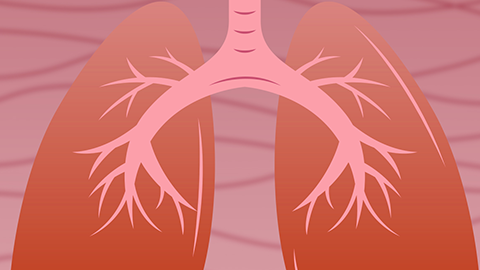
Patients with pneumonia should maintain a light, bland diet in daily life—avoiding greasy and spicy foods—to minimize irritation to the respiratory tract and prevent disease exacerbation. Regular physical activity is also recommended; low-intensity exercises such as brisk walking, slow jogging, or tai chi are ideal. Smoking cessation is essential, as nicotine and other harmful substances in tobacco smoke can severely damage lung tissue.
Patients should drink plenty of water and consume abundant fresh fruits and vegetables to support metabolic processes and facilitate recovery from pneumonia. We hope this information proves helpful to you.


