


What Causes Frequent Nosebleeds?
Aug 24, 2022
Source: Cainiu Health

Dr. Xu Gang
Introduction
If conditions such as rhinitis or nasopharyngitis are present, inflammatory infections—or infections caused by fungi or bacteria—can lead to rupture of nasal mucosal blood vessels, resulting in epistaxis (nosebleeds). Additionally, if a hemangioma is present within the nasal cavity, its rupture can also cause nasal bleeding. More commonly, frequent nose-picking or external trauma may trigger epistaxis.
Nosebleeds (epistaxis) are among the most common nasal symptoms. Blood—either streaked with mucus or in large volumes—may suddenly flow from one or both nostrils, causing significant psychological distress to the patient. So, what causes recurrent nosebleeds?
Causes of Recurrent Nosebleeds
Nasal conditions such as rhinitis or nasopharyngitis may lead to inflammation or infection by fungi or bacteria, resulting in rupture of blood vessels in the nasal mucosa and subsequent epistaxis. Additionally, if a nasal hemangioma is present, bleeding may occur upon its rupture.
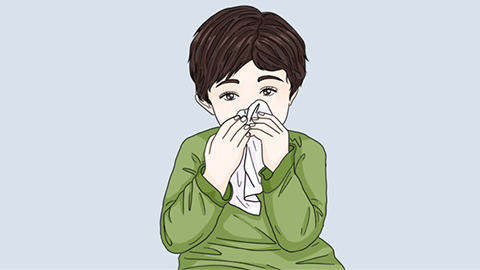
Another common cause is habitual nose-picking or external trauma that damages the nasal mucosa, leading to epistaxis. Hormonal fluctuations during puberty—particularly decreased estrogen levels—may also predispose individuals to nosebleeds; some adolescent girls experience epistaxis coinciding with menstruation. Prolonged use of anticoagulant medications (e.g., those inhibiting prothrombin) can impair normal clotting and increase bleeding risk. Furthermore, systemic diseases—including hypertension, coagulopathies, or certain hematologic disorders—may manifest epistaxis as an early or prominent symptom.

Dry weather can dehydrate the nasal mucosa, making capillaries more fragile and prone to rupture and bleeding. During dry seasons, avoid consuming spicy, pungent, or excessively hot foods (e.g., chili peppers), as these may exacerbate nasal dryness and trigger epistaxis. Vigorous nose-blowing or direct physical trauma to the nose may also rupture nasal mucosal blood vessels and result in bleeding. We hope this information proves helpful!


