


What Causes Frequent Nosebleeds?
Aug 24, 2022
Source: Cainiu Health

Dr. Xu Gang
Introduction
There are numerous causes of epistaxis (nosebleeds), including nasal dryness, rhinitis flare-ups, and nasal tumors. Epistaxis results from nasal disorders. In daily life, unilateral nosebleeds are common. Mild epistaxis typically presents as nasal bleeding; however, severe epistaxis may lead to hypovolemic shock, significantly compromising the patient’s health. Recurrent epistaxis can cause anemia, leading patients to frequently experience dizziness.
Nosebleeds (epistaxis) are a common physiological phenomenon frequently discussed in daily life. Frequent nosebleeds are far more than just “a little blood from the nose”—they may signal underlying serious health conditions. So, what causes recurrent nosebleeds?
What Causes Recurrent Nosebleeds?
There are numerous potential causes of recurrent nosebleeds, including nasal dryness, acute or chronic rhinitis, and nasal tumors. Epistaxis is typically caused by nasal disorders. In daily life, unilateral nosebleeds are relatively common. Mild epistaxis usually manifests as minor bleeding from the nose; however, severe epistaxis may lead to hypovolemic shock, significantly compromising the patient’s health. Repeated episodes of nosebleeds can result in anemia, causing patients to experience frequent dizziness.

Nosebleeds may arise from erosion or rupture of the nasal mucosa—often closely linked to unhealthy habits such as frequent nose-picking or forceful nose-blowing. They may also be caused by nasal masses, which can produce symptoms like nasal obstruction and breathing difficulties. Finally, systemic blood-related factors must be considered. Patients with recurrent epistaxis require thorough nasal examination; complete blood count (CBC) testing may also be necessary, followed by comprehensive analysis and targeted treatment.
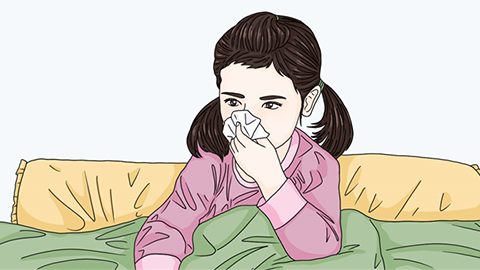
Additionally, certain systemic or underlying diseases—including hypertension, diabetes, hepatic or renal disease, hematologic disorders, and endocrine disorders—may also contribute to recurrent nosebleeds. Therefore, recurrent epistaxis warrants heightened clinical vigilance; appropriate diagnostic evaluations should be performed to identify the precise etiology before initiating specialized treatment. We hope this information proves helpful!


