


Mecobalamin exacerbates tinnitus.
Aug 24, 2022
Source: Cainiu Health

Dr. Xu Gang
Introduction
Tinnitus caused by methylcobalamin administration can be relatively severe and is typically treated with Xueshuantong injection. If tinnitus worsens after taking methylcobalamin, it is advisable to visit a hospital for a comprehensive evaluation, including pure-tone audiometry, tympanometry, and temporal bone CT imaging. Medications that improve cerebral and cochlear circulation—such as nicergoline tablets and ginkgo biloba extract tablets—are commonly prescribed. For patients with particularly severe tinnitus, hospitalization with intravenous therapy may be considered.
Mecobalamin is a derivative of vitamin B12 that enhances human absorption. Its primary functions include nourishing nerves and serving as a raw material for hematopoiesis (blood cell formation). So, can mecobalamin exacerbate tinnitus?
Mecobalamin may exacerbate tinnitus
Tinnitus induced or worsened by mecobalamin administration can be relatively severe and is often managed with Xueshuantong injection. If tinnitus intensifies after taking mecobalamin, it is advisable to seek comprehensive evaluation at a hospital, including pure-tone audiometry, tympanometry, and temporal bone CT imaging. Pharmacotherapy aimed at improving microcirculation—such as nicergoline tablets or ginkgo biloba extract tablets—may also be prescribed. In cases of particularly severe tinnitus, hospitalization with intravenous therapy may be considered. Commonly used intravenous agents include lidocaine injection and Xueshuantong injection. Patients should avoid noisy environments, as these may aggravate tinnitus.
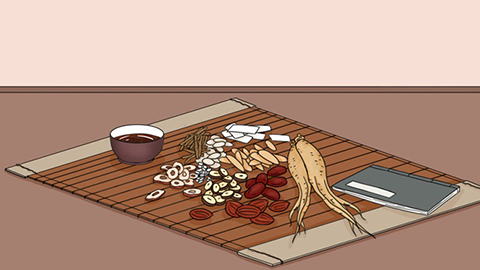
Cobalamins are relatively safe neurotrophic agents primarily indicated for peripheral nervous system disorders. Mecobalamin is an endogenous form of vitamin B12, with an adverse reaction incidence of less than 1%. Reported adverse effects include gastrointestinal symptoms (e.g., anorexia, persistent nausea/vomiting, diarrhea), skin rash, headache, fever, diaphoresis, and local pain or induration at the intramuscular injection site. Rarely, severe allergic reactions—including hypotension and dyspnea—may occur.
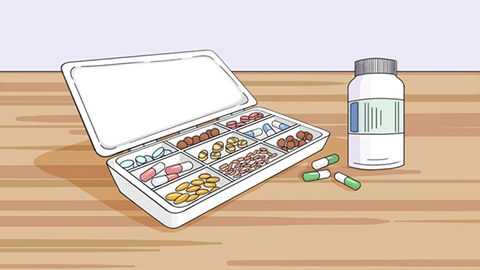
If mecobalamin treatment proves ineffective after one month, continuation is not recommended. It is contraindicated in patients with known hypersensitivity to mecobalamin or any excipient in the formulation. Should a rash develop, discontinue the drug immediately. We hope this information has been helpful. Wishing you good health and happiness!


