


I’m still feeling nauseous at 13 weeks of pregnancy.
Aug 24, 2022
Source: Cainiu Health

Dr. Chen Zhe
Introduction
At 13 weeks of pregnancy, persistent nausea suggests that serum hCG levels remain elevated—possibly due to a twin pregnancy, which can cause higher hormonal levels. In women with regular menstrual cycles, serum hCG (chorionic gonadotropin) levels typically begin to decline or become very low after the first trimester (i.e., after ~12 weeks), and early pregnancy symptoms such as nausea usually diminish or resolve during this period.
Many women experience nausea and vomiting during pregnancy—commonly referred to as “morning sickness” or, more colloquially, “the joy of pregnancy.” This is a completely normal physiological response. Mild nausea and vomiting typically have no adverse effect on the pregnant woman. However, severe nausea and vomiting may significantly reduce appetite, thereby compromising maternal health. So, what if nausea persists at 13 weeks of gestation?
Nausea at 13 Weeks of Pregnancy
Persistent nausea at 13 weeks suggests that blood levels of human chorionic gonadotropin (hCG) remain elevated—possibly due to a twin pregnancy, which causes higher hormonal levels. In women with regular menstrual cycles, serum hCG (chorionic gonadotropin) levels normally begin declining gradually—or become very low—by the end of the first trimester (approximately 12–13 weeks), and early pregnancy symptoms such as nausea and vomiting usually diminish or disappear around this time. If hCG levels decline slowly, mild nausea and vomiting may persist beyond the first trimester, though symptoms should be considerably less severe than earlier in pregnancy. If nausea and vomiting remain severe after 13 weeks, it is important to promptly evaluate for possible abnormal pregnancies—such as molar pregnancy or twin gestation.

During pregnancy, women often consume more nutrient-dense foods. If nausea and vomiting recur upon eating such foods, it may indicate either that the fetus does not currently require those specific nutrients—or that the food is contaminated. This reaction may represent a protective mechanism employed by the developing fetus. Although the fetus remains largely inactive during early pregnancy, its presence is often signaled to the mother through symptoms like nausea and vomiting. Historically, vomiting was one of the primary indicators used to confirm pregnancy—further underscoring how these symptoms serve as the fetus’s “way of announcing its existence.”
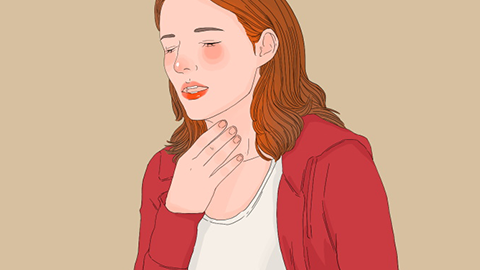
It is recommended that pregnant women choose light, non-greasy foods. For those experiencing strong vomiting reactions, consuming bland foods such as congee (rice porridge) or fresh fruits may help. Avoid rushing to supplement nutrients excessively. We hope this information proves helpful.




