


What Causes Gastric Distension, Gastric Pain, Nausea, and the Urge to Vomit?
Aug 24, 2022
Source: Cainiu Health

Dr. Zhao Haiming
Introduction
Common causes of gastric distension, gastric pain, nausea, and vomiting include functional dyspepsia, gastric ulcers, duodenal ulcers, gastritis, and other conditions. In such cases, oral medications such as Jianwei Xiaoshi Tablets, Domperidone (Motilium), and Mosapride may be used to enhance gastrointestinal motility and digestion, thereby alleviating symptoms of gastric distension, nausea, and vomiting. Additionally, acid-suppressing medications may be taken orally to relieve gastric pain.
Nausea and vomiting can occur in many conditions, such as the common cold, pharyngitis, gastrointestinal discomfort, or pregnancy. If pregnancy is suspected, the patient may first perform a home pregnancy test. If pregnancy is ruled out, gastrointestinal discomfort is the most likely cause—since the gastrointestinal digestive system directly influences numerous bodily functions. So, what causes bloating, stomach pain, nausea, and vomiting?
What Causes Stomach Bloating, Abdominal Pain, Nausea, and Vomiting?
Common causes of stomach bloating, abdominal pain, nausea, and vomiting include functional dyspepsia, gastric ulcers, duodenal ulcers, and gastritis. In such cases, oral medications such as Jianwei Xiaoshi Pian (Digestive Health Tablets), domperidone (Motilium®), and mosapride may be used to promote gastrointestinal motility and digestion, thereby alleviating symptoms like bloating, nausea, and vomiting. Additionally, acid-suppressing medications—such as ranitidine, cimetidine, omeprazole, and pantoprazole—may be prescribed to relieve gastric pain.
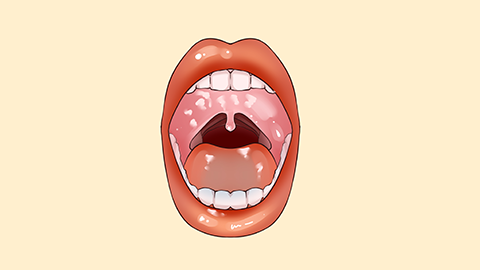
Besides pharmacological treatment, dietary adjustments are essential in daily life. Patients should adopt a light, low-salt, and low-fat diet, avoiding excessively greasy, spicy, irritating, or hard-to-digest foods. If recurrent symptoms—including abdominal bloating, pain, nausea, and vomiting—occur, an upper gastrointestinal endoscopy is recommended for further diagnosis. Gastric ulcers can impair gastric motility, prolonging gastric emptying time; when the ulcer surface is irritated, it may trigger spasms and contractions, leading to nausea and vomiting.
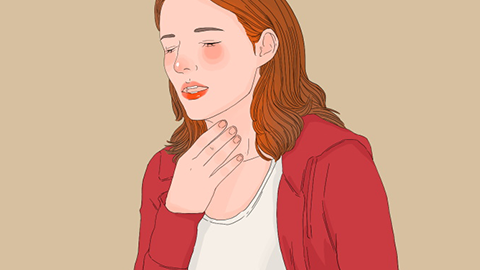
Patients should assess the severity and underlying cause of their condition before selecting appropriate, targeted drug therapy. We hope this information proves helpful.







