


How to Relieve Nausea and Vomiting Caused by Gastric Disorders
Aug 24, 2022
Source: Cainiu Health

Dr. Zhao Haiming
Introduction
It is essential to identify the underlying cause of gastric disorders accompanied by nausea and vomiting and to initiate appropriate treatment. For acute gastritis, treatment must target the acute inflammation—such as with acid-suppressing and mucosa-protective medications. If a clear infectious etiology is identified, antimicrobial therapy may be used to alleviate symptoms including epigastric pain, nausea, and vomiting. In peptic ulcer disease—including gastric ulcers and duodenal ulcers—patients may also present with epigastric pain, nausea, and vomiting.
Stomach disorders are extremely common illnesses that can significantly impair your health. Without timely treatment, gastric conditions may undergo malignant transformation, posing even greater threats to your health. Therefore, everyone should adopt preventive measures in daily life. So, how can one alleviate nausea and vomiting associated with stomach disease?
How to Alleviate Nausea and Vomiting Caused by Stomach Disease
Nausea and vomiting due to stomach disease require identification of the underlying cause and appropriate treatment. In cases of acute gastritis, treatment must target the acute inflammation—typically involving acid-suppressing and mucosal-protective medications. If a clear infectious etiology is identified, antimicrobial agents may be used to relieve gastric pain, nausea, and vomiting. Patients with peptic ulcers—including gastric ulcers and duodenal ulcers—may also experience epigastric pain, nausea, and vomiting. In such instances, ulcer-specific therapy is essential. Acute pancreatitis may present with epigastric pain resembling gastric discomfort; however, this pain often improves in the prone position and is accompanied by nausea and vomiting.
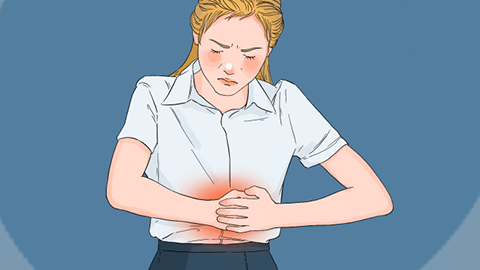
Further evaluation—including measurement of serum amylase levels—typically reveals elevated values, while imaging studies may demonstrate peripancreatic fluid exudates. Treatment for pancreatitis includes medications that suppress gastric acid and pancreatic enzyme secretion, along with supportive, symptom-directed therapies. Acute appendicitis may initially manifest as epigastric pain mimicking gastric discomfort, accompanied by nausea and vomiting. The pain typically migrates gradually to the right lower quadrant; prompt anti-inflammatory therapy is warranted, and emergency appendectomy should be considered.

Patients are advised to improve unhealthy lifestyle habits—avoiding overexertion, staying up late, and ensuring adequate rest—as these modifications can also facilitate disease recovery. We hope this information proves helpful to you.







