


Can a cold cause nausea or vomiting?
Dec 04, 2025
Source: Cainiu Health

Dr. Ren Yi
Introduction
If a cold is of the gastrointestinal type or if a viral infection triggers systemic reactions, symptoms such as nausea or the urge to vomit may occur. Gastrointestinal-type colds are often accompanied by digestive symptoms like bloating and diarrhea; the virus irritates the gastrointestinal mucosa, leading to gastrointestinal dysfunction. Additionally, in some individuals, the physical discomfort caused by a cold may trigger a stress response that stimulates the vomiting center, resulting in feelings of nausea and an urge to vomit.
In general, some individuals with certain types of colds or those with sensitive constitutions may experience nausea or a feeling of wanting to vomit, while people with common colds and stronger physical conditions are less likely to have this symptom. If in doubt, it is recommended to consult a healthcare professional in advance. The detailed analysis is as follows:
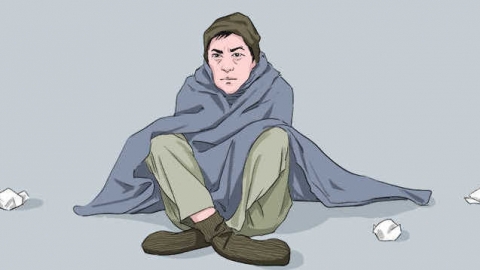
If the cold is of the gastroenteric type or if viral infection triggers systemic reactions, the sensation of wanting to vomit may occur. Gastroenteric colds are often accompanied by gastrointestinal symptoms such as bloating and diarrhea; the virus irritates the mucous membranes of the stomach and intestines, leading to gastrointestinal dysfunction. Additionally, stress responses triggered by general discomfort during a cold may stimulate the vomiting center in the brain, causing feelings of nausea or an urge to vomit.
If the cold is a typical upper respiratory tract infection presenting only symptoms like nasal congestion, sore throat, and cough, and if the individual has good overall health and stable gastrointestinal function, the sensation of wanting to vomit is less likely to occur. In such cases, the infection is primarily confined to the respiratory tract, with minimal impact on the gastrointestinal system, allowing the body to adapt well to the discomfort without triggering significant digestive symptoms.
During a cold, maintain a light diet and avoid oily or spicy foods to prevent increasing the burden on the gastrointestinal system. If nausea is prominent, sip warm water in small amounts frequently. If symptoms persist or are accompanied by fever or severe abdominal pain, seek medical attention promptly to rule out other potential causes.






