


What Does Depression Mean?
Aug 24, 2022
Source: Cainiu Health

Dr. Yang Jun
Introduction
Depression is a type of depressive disorder and, due to its hallmark symptom—prolonged low mood—is also classified as a mental disorder. Initially, patients may experience feelings of sadness, low self-esteem, hopelessness, or even despair; they may also exhibit pessimism and suicidal ideation or behavior. Some patients additionally suffer from persistent anxiety and psychomotor agitation. In the most severe cases, psychotic symptoms such as hallucinations and auditory hallucinations may occur, and each episode may last for two weeks or longer.
Some early signs of depression may include sleep disturbances—such as early-morning awakening and difficulty falling asleep. Mood fluctuations may also occur, such as heightened anxiety, loss of interest in activities, or profound feelings of sadness and hopelessness. So, what exactly is depression?
What Is Depression?
Depression is a mood disorder characterized primarily by persistent low mood. As a psychiatric condition, it typically manifests with prolonged feelings of sadness, low self-esteem, hopelessness, and even suicidal ideation. Some individuals may also experience chronic anxiety and psychomotor agitation. In severe cases, psychotic symptoms—including hallucinations and auditory hallucinations—may arise. Episodes can last for at least two weeks and, in some instances, extend for years.
After developing depression, patients often become withdrawn, avoid social interaction, and display diminished interest or pleasure in previously enjoyed activities—including watching movies or television.
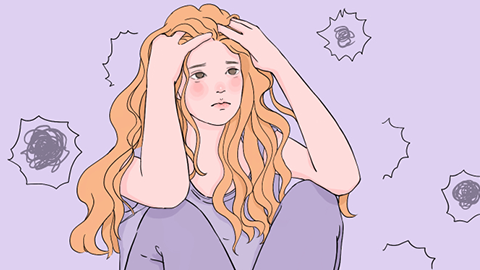
Depression is fully treatable. Individuals with mild depression may benefit from self-management strategies, such as engaging in regular physical exercise, maintaining an optimistic outlook, and enhancing communication with family members. Those with moderate-to-severe depression should receive appropriate pharmacological treatment. Recovery through self-regulation is possible; we recommend consistently cultivating optimism, maintaining open communication with loved ones, and participating in enjoyable activities—such as group sports. Additionally, establishing regular sleep patterns and maintaining a structured daily routine are essential. These approaches can help naturally manage the condition.
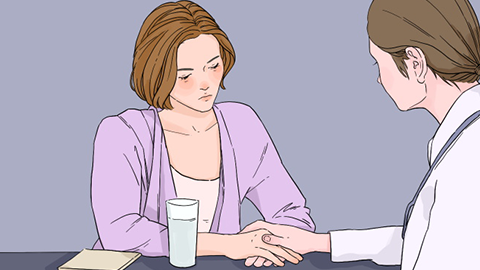
To effectively control symptoms, initiating appropriate medication is often the first-line intervention—and pharmacotherapy has proven highly effective in alleviating depressive symptoms. We hope this information is helpful to you.


