


What does “depression” mean?
Aug 24, 2022
Source: Cainiu Health

Dr. Zhang Xiaoming
Introduction
Depression is a common psychological and psychiatric disorder characterized primarily by depressed mood, psychomotor retardation, and diminished willpower. Patients experience low mood, an inability to feel pleasure, irritability, poor memory, a subjective sense of mental slowness, difficulty concentrating, reduced or lost interest in activities, and general lethargy. Additional symptoms may include decreased or increased appetite (e.g., undereating or binge eating), insomnia or hypersomnia, and reduced speech and motor activity.
Depression is caused by biochemical changes, metabolic abnormalities, and endocrine imbalances in specific regions of the brain. Timely treatment is essential for depression—so what exactly is depression?
What Is Depression?
Depression is a common psychological and psychiatric disorder characterized primarily by persistent low mood, slowed thinking, and diminished motivation. Patients experience poor emotional states, an inability to feel joy, irritability, impaired memory, a sensation of mental sluggishness, difficulty concentrating, reduced or lost interest in activities, lethargy, altered appetite (either decreased intake or binge eating), disturbed sleep (insomnia or hypersomnia), reduced speech and motor activity, profound distress, a feeling of life dragging on interminably, a sense of living without vitality, and declining capacity to work or study. If these symptoms persist for two weeks or longer, a clinical diagnosis of depression may be made.
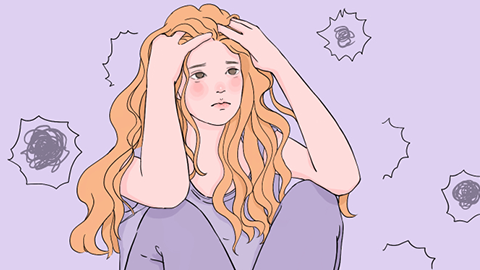
Psychotherapy is one of the most effective treatments for depression, particularly for patients with mild-to-moderate symptoms. Therefore, psychotherapy should be prioritized in treatment planning. In early-stage depression, symptoms predominantly manifest as psychological and emotional disturbances; at this stage, psychological counseling and emotional support are especially beneficial. Pharmacological treatment includes both traditional Chinese medicine (TCM) and Western medicine. TCM generally has fewer side effects but produces slower therapeutic effects. TCM effectively regulates patients’ emotions and qi-blood balance, clears the mind, and calms the liver. Concurrent acupuncture therapy is highly recommended to enhance the overall therapeutic effect of TCM.
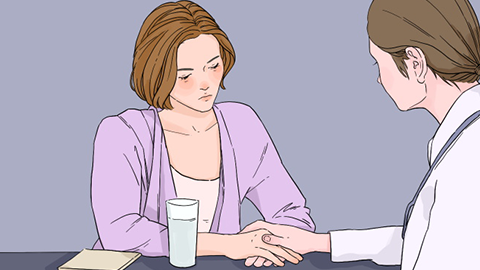
For individuals with depression, cultivating and maintaining a healthy mindset is fundamental—learning to relax and effectively manage stress is crucial. We hope this response proves helpful to you.



