


What should I do if I have abdominal pain and feel nauseous or want to vomit?
Aug 24, 2022
Source: Cainiu Health

Dr. Zhao Haiming
Introduction
Abdominal pain accompanied by nausea and vomiting can be managed symptomatically under a physician’s guidance using antiemetics, antispasmodics, and analgesics. Commonly used antispasmodic and analgesic agents include phloroglucinol injection or anisodamine injection. Prior to administering antispasmodic or analgesic drugs, contraindications such as glaucoma or benign prostatic hyperplasia must be assessed. A commonly used antiemetic is ondansetron injection.
In daily life, many people suddenly experience abdominal pain, nausea, and vomiting. However, due to limited understanding of such symptoms, they often do not know how to respond appropriately when these symptoms arise. In fact, these symptoms are commonly caused by gastrointestinal disorders, which require timely treatment to prevent disease progression. So, what should one do when experiencing abdominal pain, nausea, and vomiting?
What to Do for Abdominal Pain, Nausea, and Vomiting
Abdominal pain accompanied by nausea and vomiting can be managed symptomatically under a physician’s guidance using antiemetics, antispasmodics, and analgesics. Commonly used antispasmodic and analgesic agents include phloroglucinol injection or anisodamine injection. Prior to administering antispasmodic or analgesic medications, it is essential to screen for contraindications such as glaucoma or benign prostatic hyperplasia. Commonly prescribed antiemetics include ondansetron injection or metoclopramide injection. In addition to active symptomatic management—including antiemetic and analgesic therapy—comprehensive diagnostic evaluations should be promptly pursued to identify the underlying cause; once a definitive diagnosis is established, targeted treatment should be initiated.
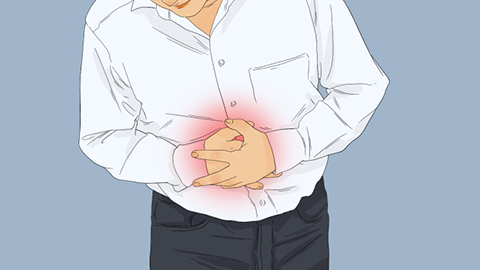
Abdominal pain with nausea and vomiting may result from acute gastric mucosal lesions due to improper diet, or from conditions such as acute gastritis, gastrointestinal obstruction, cholecystitis, or pancreatitis. Relevant investigations—including abdominal ultrasound, upper abdominal CT, serum amylase and lipase levels, and plain abdominal radiography—should be performed and interpreted comprehensively. In many cases, these symptoms stem from acute gastroenteritis triggered by dietary indiscretion. For women in their menstrual period, dysmenorrhea should also be considered; abdominal warm compresses and gentle massage may help alleviate symptoms, alongside maintaining warmth and consuming a light, bland diet.
Patients are also advised to pay attention to daily self-care: eat meals regularly and avoid overeating or binge eating. We hope this information proves helpful.






