How Do I Know If I Have Depression?
Aug 24, 2022
Source: Cainiu Health

Dr. Li Wu
Introduction
Depression can be identified based on symptomatology, duration, and the presence of other associated symptoms. From a symptomatic perspective, the two primary core symptoms of depression are depressed mood and loss of interest or pleasure (anhedonia). These constitute the essential diagnostic criteria for depression and serve as key clinical indicators, encompassing a range of physical and cognitive symptoms. Physical symptoms include insomnia, insufficient sleep, early-morning awakening, and decreased appetite.
Depression may encompass several conditions, one of which is depressive neurosis—a type of neurosis. The most prominent feature of depression is the “triple low” presentation: markedly diminished interest, persistently low mood, and significantly reduced willpower or motivation. Psychological functioning across all domains declines sharply in individuals with depression. So, how can one determine whether they have depression?
How to Determine Whether You Have Depression
Diagnosis is based on symptomatology, duration, and associated symptoms. From a symptomatic perspective, the two core diagnostic criteria for depression are persistent low mood and loss of interest or pleasure (anhedonia). These constitute the essential features—and key diagnostic clues—for depression, and are accompanied by various physical and cognitive symptoms. Physical symptoms include insomnia, insufficient sleep, early-morning awakening, decreased appetite, weight loss, unexplained bodily pain, fatigue, and generalized weakness.
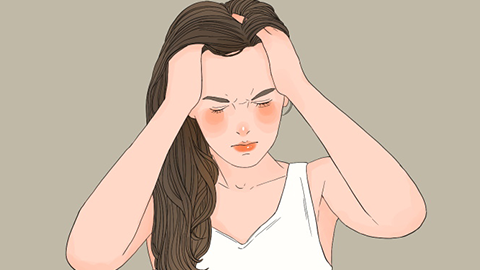
It is important to maintain adequate nutritional intake—especially carbohydrates—as prolonged lack of physical activity may also contribute to depression. Patients should proactively address maladaptive personality traits. Cognitively, individuals may experience forgetfulness, difficulty concentrating, low self-esteem, excessive self-blame or guilt, feelings of worthlessness, a sense of having no purpose or value in life, and even thoughts of self-harm.

In daily life, cultivating healthy habits regarding sleep, diet, and physical activity is essential. We hope this information proves helpful to you.