


What Causes Nausea While Brushing Teeth?
Aug 24, 2022
Source: Cainiu Health

Dr. Zhao Haiming
Introduction
Nausea during toothbrushing may result from the abundance of sensory nerve endings in the pharynx, leading to heightened pharyngeal reflex sensitivity in certain individuals. When brushing stimulates the pharyngeal mucosa or the base of the tongue, it can trigger a reflexive nausea response. Psychological factors may also contribute. In some cases, nausea occurs even when the toothbrush does not contact the base of the tongue.
Many people experience nausea and dry heaving while brushing their teeth in the morning. If this occurs only occasionally, there is generally no cause for concern. However, if nausea and dry heaving frequently occur during toothbrushing—and persist over a prolonged period—increased vigilance is warranted. This may result from improper brushing techniques or underlying medical conditions, and timely evaluation and management are recommended. So, what causes nausea during toothbrushing?
Causes of Nausea During Toothbrushing
Nausea during toothbrushing may stem from the abundance of sensory nerve endings in the pharynx, leading to heightened pharyngeal nerve reflex sensitivity in certain individuals. When brushing stimulates the pharyngeal mucosa or base of the tongue, a reflexive nausea response may occur. Psychological factors may also contribute—for instance, some patients experience nausea even when the toothbrush does not physically contact the base of the tongue. During clinical examination, such patients may exhibit severe nausea simply upon opening their mouth without any instrumentation—a finding suggestive of laryngopharyngeal reflux (LPR)–induced pharyngitis.
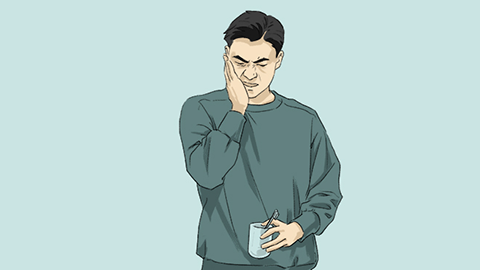
Changes in gastric motility, along with relaxation of the lower esophageal sphincter (LES), can cause gastric contents to reflux into the pharynx—particularly after overeating or consuming hard-to-digest foods at dinner. This leads to chronic inflammation of the pharyngeal mucosa. Once present, such chronic pharyngeal inflammation increases susceptibility to nausea during toothbrushing. Additionally, excessive brushing pressure or strong odors from toothpaste may further provoke nausea. Another possibility is that patients with gastroesophageal reflux disease (GERD) or reflux esophagitis may also experience nausea during toothbrushing.
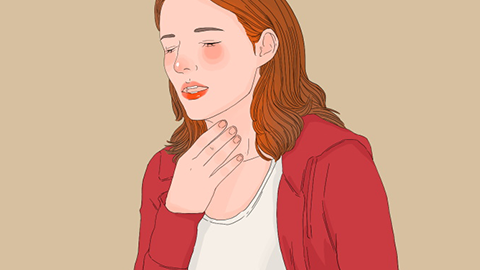
Patients presenting with concomitant symptoms such as acid regurgitation and heartburn should be evaluated and treated with appropriate gastric-protective medications. We hope this information proves helpful.








