


What causes persistent nausea and vomiting sensation in the stomach?
Aug 24, 2022
Source: Cainiu Health

Dr. Zhao Haiming
Introduction
The stomach frequently experiences nausea and vomiting, which may result from conditions such as chronic gastritis, gastroparesis, mechanical gastrointestinal obstruction, or pyloric obstruction. It is important to perform further diagnostic evaluations—including gastroscopy, upper gastrointestinal barium study, and abdominal CT—to identify any organic gastric lesions. Antiemetic medications may be used under a physician’s guidance. Persistent nausea and vomiting may also stem from systemic diseases affecting other organ systems.
Vomiting is a common symptom reflecting underlying disease processes in the body. However, most people typically do not pay special attention to nausea and vomiting unless these symptoms severely impair eating or daily functioning—only then do they seek treatment. Yet this symptom has numerous potential causes; so what does it mean when one constantly feels nauseous and has an urge to vomit?
What Causes Persistent Nausea and the Urge to Vomit?
Chronic nausea and vomiting may stem from conditions such as chronic gastritis, gastroparesis, mechanical intestinal obstruction, or pyloric obstruction. To identify organic gastric lesions, further diagnostic evaluations—including gastroscopy, upper gastrointestinal barium study, and abdominal CT—are recommended. Antiemetic medications may be prescribed under physician guidance. Persistent nausea and vomiting can also arise from systemic diseases affecting other organ systems—for instance, neurological or endocrine disorders. If patients experience recurrent nausea and vomiting accompanied by motor dysfunction (e.g., limb weakness), dizziness, or vertigo, neurological evaluation should be prioritized. Diagnostic workup may include cranial CT or MRI, along with comprehensive neurological examination, to confirm or exclude neurological pathology.
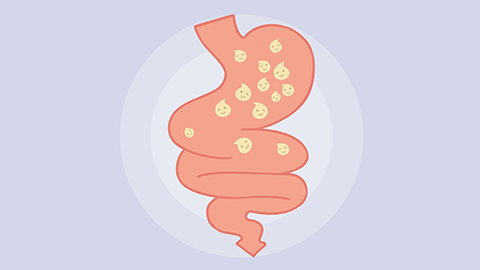
If persistent nausea and vomiting are present, gastritis or other gastrointestinal disorders should be considered more likely. In such cases, patients should actively modify dietary habits—opting for light, non-greasy, and non-spicy meals—and may consider prokinetic agents such as itopride or cisapride under medical supervision. If symptoms persist despite lifestyle and dietary adjustments, further clinical evaluation is warranted, including gastroscopy and abdominal ultrasound of the liver, gallbladder, pancreas, and spleen. These tests help clarify the diagnosis—particularly assessing for cholecystitis, gastric ulcers, or duodenal ulcers.

Patients are advised to prioritize rest, ensure adequate sleep, maintain regular daily routines, and avoid smoking and excessive alcohol consumption. We hope this information proves helpful.









