


What should I do if I experience tinnitus after becoming extremely angry?
Aug 24, 2022
Source: Cainiu Health

Dr. Xu Gang
Introduction
Tinnitus occurs after emotional outbursts. Patients are advised to calm their emotions and actively regulate their psychological state. Oral administration of Niuhuang Shangqing Pills may effectively clear internal heat. Additionally, gentle massage around the ears is recommended to promote local blood circulation and alleviate tinnitus. Oral medications may also include Ginkgo biloba extract tablets, Nicergoline tablets, Mecobalamin dispersible tablets, Oryzanol, and Coenzyme A.
In daily life, conflicts with others are inevitable. After intense arguments, people often feel angry—and some individuals develop tinnitus following such episodes. So, can extreme anger cause tinnitus?
Can Extreme Anger Cause Tinnitus?
Tinnitus may occur after an episode of anger. Patients are advised to calm their emotions and actively regulate their psychological state. Oral administration of Niuhuang Shangqing Pills may help effectively clear internal heat. Additionally, gentle massage around the ears can promote local blood circulation and alleviate tinnitus.
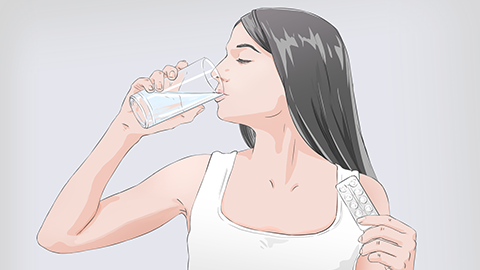
Other medications—including Ginkgo biloba extract tablets, Nicergoline tablets, Mecobalamin dispersible tablets, Oryzanol, and Coenzyme A—may also be taken orally to improve cerebral and peripheral circulation and nourish nerves. It is recommended that patients take these medications for one week; noticeable improvement in tinnitus is typically expected. If tinnitus persists despite active treatment, patients should consult an otolaryngologist for further evaluation and management. Audiometric testing (pure-tone audiometry), tympanometry, and, when indicated, temporal bone CT imaging may be necessary to avoid delays in diagnosis and treatment.
Anger triggers physiological responses such as rapid breathing, elevated blood pressure, and vasoconstriction. These changes may lead to myocardial ischemia and hypoxia, arrhythmias, increased blood flow to the brain and face—and potentially contribute to hypertension, coronary artery disease, and cerebrovascular disorders. Moreover, anger disrupts neurohumoral regulation, resulting in multi-system dysfunction—for instance, gastrointestinal disturbances. Sympathetic nervous system activation slows gastrointestinal motility, reduces appetite, impairs nutrient absorption, and, over time, may even predispose to gastric ulcers. We hope this information is helpful. Wishing you good health and a joyful life!


