


How to Relieve Headache and Nausea
Aug 24, 2022
Source: Cainiu Health

Dr. Yang Jun
Introduction
Measures to alleviate headache and nausea begin with identifying the underlying cause. If the symptoms are due to a vascular headache, it is recommended—under a physician’s guidance—to take flunarizine hydrochloride capsules to relieve them. Additionally, ensure adequate rest, maintain a relaxed mental state, and apply local heat therapy as an adjunctive measure. If the headache and nausea result from an upper respiratory tract infection accompanied by fever, the first step is to determine the specific type of infection.
People commonly refer to pharyngitis as inflammation of the pharynx caused by bacterial or viral infection, leading to a range of symptoms. Pharyngitis can be classified into acute and chronic forms. Typically, acute pharyngitis is fully curable with timely, symptom-targeted treatment. But how can headache and nausea be relieved?
How to Relieve Headache and Nausea
The first step in relieving headache and nausea is identifying the underlying cause. If the symptoms stem from vascular headache, it is recommended—under a physician’s guidance—to take flunarizine hydrochloride capsules for relief. Additionally, ensure adequate rest, maintain a relaxed mental state, and apply local warm compresses as supportive measures. If headache and nausea result from upper respiratory tract infection accompanied by fever, the type of infection must first be determined: for viral infections, ribavirin should be administered per medical instruction; for bacterial infections, amoxicillin combined with potassium clavulanate is recommended. Physical cooling methods should be employed as adjunctive therapy; if necessary, oral acetaminophen may be used to reduce fever.
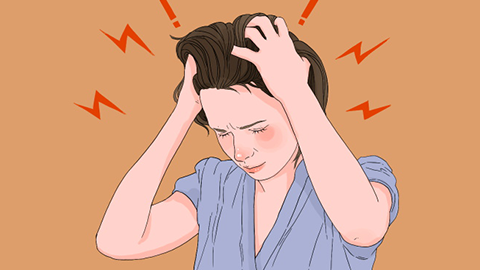
Frequent episodes of headache and nausea may indicate intracranial space-occupying lesions or brain tumors, or could arise from compression-related symptoms due to hypertension or cervical spine disorders. To help identify the cause, avoid high-fat, high-cholesterol, and high-salt foods, and consult a hospital for diagnostic evaluations—including head CT and MRI, cervical spine CT, and blood pressure measurement—followed by targeted treatment. For symptomatic headache relief, patients may take Zhengtian Wan, Zhen Nao Ning, Tianma Zhitong Pian, or Yuanhu Zhitong Pian.

Patients are advised to abstain from smoking, alcohol, coffee, strong tea, and carbonated beverages, and to limit intake of spicy, sour, or otherwise irritating foods. We hope this information proves helpful to you.



