


Can gastric ulcers heal spontaneously?
Aug 24, 2022
Source: Cainiu Health

Dr. Zhao Haiming
Introduction
Gastric ulcers cannot heal spontaneously, as they arise only in the presence of specific underlying causes—healthy individuals do not develop gastric ulcers. Although symptoms may gradually improve even if the most common causative agent, *Helicobacter pylori*, is not eradicated, the persistent presence of this bacterium predisposes patients to recurrence and repeated episodes of gastric ulceration. If a gastric ulcer is drug-induced, it cannot heal spontaneously unless the offending medication is discontinued.
A significant portion of the global population suffers from gastrointestinal disorders. Among these, gastric ulcers are relatively common—a frequent gastrointestinal condition that warrants attention in daily life. Yet, not everyone recognizes its significance, and some individuals even choose to forgo treatment altogether. So, can gastric ulcers be cured?
Can Gastric Ulcers Heal Spontaneously?
Gastric ulcers cannot heal spontaneously, as they arise only in the presence of specific underlying causes—healthy individuals do not develop gastric ulcers. Even if symptoms appear to improve gradually—such as when Helicobacter pylori (H. pylori) infection is untreated—the ulcer may temporarily subside. However, persistent H. pylori colonization predisposes patients to recurrence, leading to repeated episodes of gastric ulceration. If the ulcer is drug-induced (e.g., by NSAIDs), discontinuation of the offending medication is essential; otherwise, spontaneous healing is unlikely. Concurrent use of gastroprotective agents—such as mucosal protectants—is also necessary to support ulcer healing. In cases where gastric ulcers result from malignancy, spontaneous resolution is impossible; surgical intervention is required for definitive treatment.
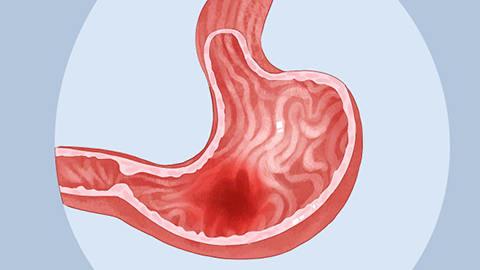
Treatment plans for gastric ulcers should be individualized based on the patient’s clinical presentation. Given the well-established association between H. pylori infection and peptic ulcer disease, patients presenting with gastric or duodenal ulcers should undergo H. pylori testing. A positive test result warrants eradication therapy. Following successful eradication, patients should continue maintenance therapy with proton pump inhibitors (PPIs) or gastric mucosal protectants until complete ulcer healing is confirmed. For H. pylori-negative patients, PPIs and mucosal protectants are typically prescribed for 4–8 weeks under the guidance of a qualified physician.
In daily life, maintaining a balanced work–rest schedule is crucial—avoiding excessive workload and particularly late-night activities. Additionally, emotional stress should be minimized; sedatives may be prescribed when clinically indicated. We hope this information proves helpful to you.




