


Can patients with gastric ulcers drink tea?
Aug 24, 2022
Source: Cainiu Health

Dr. Zhao Haiming
Introduction
Patients with gastric ulcers should avoid drinking tea. Tea contains high levels of tea polyphenols, which can irritate the ulcer surface and impede healing. During an active gastric ulcer episode, it is advisable to consume easily digestible foods as staples—such as congee (rice porridge), finely cooked noodles, or steamed buns. Additionally, pharmacological treatment is recommended to promote gastric mucosal repair, suppress gastric acid secretion, and reduce inflammation. If gastric ulcers recur frequently, a carbon-13 or carbon-14 urea breath test may be performed.
Peptic ulcer disease is a relatively common gastrointestinal disorder, primarily caused by *Helicobacter pylori* infection, medications, and dietary factors. Additionally, gastric ulcers in humans are mainly induced by the digestive action of gastric acid or pepsin. So, can patients with gastric ulcers drink tea?
Can patients with gastric ulcers drink tea?
Patients with gastric ulcers should avoid drinking tea. Tea contains high levels of tea polyphenols, which can irritate the ulcer surface and impede ulcer healing. During an active ulcer episode, it is advisable to consume easily digestible foods such as congee (rice porridge), finely cooked noodles, and steamed buns as staple foods. Concurrently, pharmacological treatment—including mucosal repair agents, gastric acid secretion inhibitors, and anti-inflammatory drugs—can be employed. If gastric ulcers recur frequently, a carbon-13 or carbon-14 urea breath test may be performed to determine whether *H. pylori* infection is present. If infection is confirmed, quadruple therapy can be used to eradicate *H. pylori*. Even after complete ulcer resolution, long-term dietary regulation remains essential. In daily life, nourishing foods such as congee, white peony root (*Paeonia lactiflora*), Chinese yam (*Dioscorea opposita*), hawthorn (*Crataegus pinnatifida*), and lotus seeds may be consumed to strengthen the spleen and stomach.
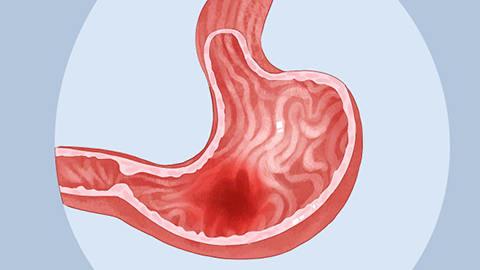
Gastric ulcer is a classic psychosomatic disorder, and psychological factors significantly influence its development and course. Mental stress, emotional agitation, or excessive anxiety can stimulate the cerebral cortex, impairing or disrupting hypothalamic regulatory function and leading to autonomic nervous system dysfunction—thereby hindering digestion and ulcer healing. Maintaining a relaxed and cheerful mood is therefore crucial for effective ulcer management. Patients with gastric ulcers should adhere to regular daily routines and avoid overexertion; excessive work not only compromises digestion but also impedes ulcer healing. Adequate rest and consistent lifestyle habits are essential. Moreover, ulcer exacerbations correlate with climatic changes; thus, patients must pay close attention to weather fluctuations and adjust clothing and bedding accordingly to accommodate seasonal temperature variations.
In daily life, patients with gastric ulcers must maintain regular sleep-wake cycles and avoid fatigue and late-night activities to promote recovery. We hope this information proves helpful to you.


