


Does palmar erythema indicate cirrhosis?
Aug 24, 2022
Source: Cainiu Health

Dr. Jin Zhongkui
Introduction
Palmar erythema may indicate cirrhosis. It is a clinical sign of chronic liver disease and is commonly observed in patients with various chronic liver conditions, cirrhosis, and hepatocellular carcinoma—though it may also occur in some healthy individuals. Palmar erythema is most frequently associated with chronic viral hepatitis, particularly hepatitis B or C. Additionally, it can be seen in long-standing chronic alcoholic hepatitis.
The term “liver palms” sounds unfamiliar to most people, who often assume it is a symptom caused by liver disease. In daily life, once patients notice signs of liver palms, they should remain vigilant and promptly visit a hospital for examination—enabling early detection and timely treatment of underlying conditions. So, does the presence of liver palms necessarily indicate cirrhosis?
Are liver palms synonymous with cirrhosis?
Liver palms may occur in patients with cirrhosis, but they are not exclusive to this condition. Liver palms represent a clinical sign commonly associated with chronic liver disease—including various forms of chronic hepatitis, cirrhosis, and hepatocellular carcinoma. However, they can also appear in otherwise healthy individuals. Among chronic liver diseases, liver palms are most frequently observed in chronic viral hepatitis—particularly hepatitis B or C. Additionally, long-standing alcoholic hepatitis and autoimmune liver diseases may also lead to liver palms. Importantly, the presence of liver palms does not automatically signify cirrhosis; it may instead reflect other chronic liver disorders—or even occur in individuals without any identifiable liver pathology.
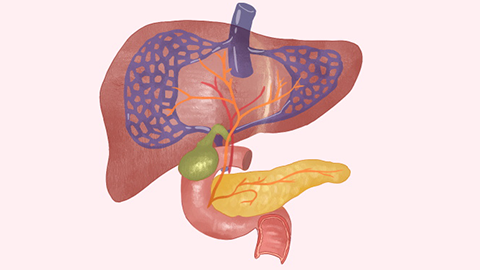
Upon noticing liver palms, patients should seek medical evaluation at a hospital without delay. Only after identifying the underlying cause can appropriate, targeted therapy be initiated. Typically, liver palms arise secondary to hepatic dysfunction; thus, treating the primary liver disease effectively often leads to improvement or resolution of this sign. Furthermore, daily dietary habits and adequate rest significantly support the regression and management of liver palms. Patients may benefit from consuming selenium-rich foods—selenium being a trace element known to exert protective effects on the liver and aid in managing liver disease. However, selenium supplementation should only be considered after confirming that liver palms are indeed attributable to an underlying liver disorder.

In daily life, upon developing liver palms, patients must first determine the root cause—and then pursue etiology-directed treatment. This approach remains the cornerstone of effective management. We hope this information proves helpful to you.




