Which is more serious: gastric bleeding or gastric perforation?
Aug 24, 2022
Source: Cainiu Health

Dr. Zhao Haiming
Introduction
Gastric bleeding and gastric perforation are both serious complications of the gastrointestinal tract. These conditions are commonly caused by peptic ulcers. If either gastric bleeding or gastric perforation occurs, patients should discontinue oral intake and seek prompt treatment at a reputable hospital. Patients with gastric bleeding may present with hematemesis (vomiting blood), coffee-ground emesis, melena (black, tarry stools), hematochezia (bright red or dark red blood in stool), and require intravenous fluid therapy and endoscopic evaluation.
Conditions such as gastric perforation and gastric bleeding are often “brought on” by patients’ dietary habits. For instance, some individuals frequently consume spicy foods or overeat. Such behaviors can cause significant damage to the stomach, potentially triggering serious complications like gastric bleeding or gastric perforation. So, which is more severe—gastric bleeding or gastric perforation?
Which Is More Severe: Gastric Bleeding or Gastric Perforation?
Both gastric bleeding and gastric perforation are serious gastrointestinal complications, commonly resulting from peptic ulcers. If either condition occurs, patients should immediately cease oral intake and seek prompt, active treatment at a reputable hospital. Patients with gastric bleeding may vomit blood or coffee-ground–like material; their stools may appear black (melena) or contain frank blood, sometimes presenting as dark red bloody stools. Treatment typically involves intravenous fluid resuscitation and endoscopic evaluation. In contrast, patients with gastric perforation experience persistent, severe abdominal pain, marked abdominal tenderness, and possibly fever.
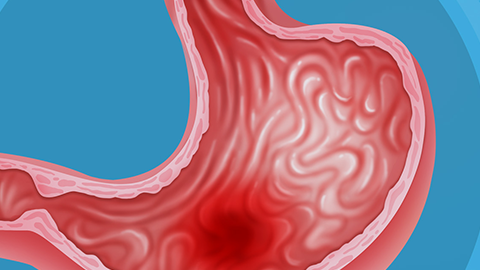
Gastric bleeding and gastric perforation are both life-threatening gastrointestinal disorders requiring immediate medical attention. The hallmark symptoms of gastric bleeding include hematemesis (vomiting blood) and melena or hematochezia (blood in stool). Prior to hematemesis, patients may experience nausea; before passing black stools, they may report constipation; other associated symptoms include periorbital darkening (“black circles”), palpitations, syncope, pallor, thirst, weak pulse, and hypotension.
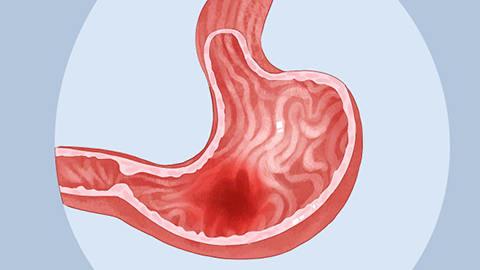
Patients are advised to avoid cold, coarse, spicy, or otherwise irritating foods; to quit smoking and limit alcohol consumption; and to manage psychological stress. We hope this information proves helpful.