The most common cause of cirrhosis in China is
Aug 24, 2022
Source: Cainiu Health

Dr. Zhao Haiming
Introduction
The most common causes of cirrhosis in China include viral hepatitis, alcohol intoxication, and malnutrition. Specifically, cirrhosis is primarily attributable to hepatitis B and C infections; when the liver is infected with these viruses, hepatocytes undergo degeneration and ultimately necrosis, leading to fibrosis and, subsequently, cirrhosis. Chronic heavy alcohol consumption readily results in alcohol intoxication and may progress to alcoholic cirrhosis.
There are numerous causes of hepatitis, such as viral infections (e.g., hepatitis B), excessive consumption of high-fat foods (leading to fatty liver disease), and chronic heavy alcohol intake (causing alcoholic liver disease). When hepatitis progresses to cirrhosis, it poses a far more serious threat to the body—and significantly increases mortality risk. Therefore, identifying the underlying cause of cirrhosis is essential for implementing effective treatment strategies. So, what is the most common cause of cirrhosis in China?
The most common cause of cirrhosis in China is:
In China, the most frequent causes of cirrhosis include viral hepatitis, alcohol toxicity, and malnutrition. Specifically, hepatitis B and C virus infections are predominant contributors: upon viral infection, hepatocytes undergo degeneration and eventual necrosis, triggering fibrosis that ultimately progresses to cirrhosis. Chronic heavy alcohol consumption readily leads to alcohol toxicity and subsequently to alcoholic cirrhosis. This is especially prevalent among individuals with frequent social drinking engagements, making excessive alcohol intake difficult to avoid. Genetic predispositions or certain metabolic disorders may also gradually worsen liver disease until hepatic function becomes severely impaired—ultimately resulting in cirrhosis.
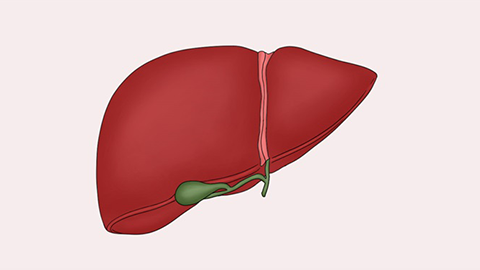
Nutrient deficiencies—particularly of protein and vitamins—can lead to malnutrition, which in turn promotes hepatocyte degeneration, necrosis, fatty liver disease, and even cirrhosis. Additionally, chronic congestive heart failure and Budd–Chiari syndrome (hepatic vein obstruction syndrome), arising from various etiologies, can induce hepatic congestion, leading to hypoxia-induced hepatocyte necrosis and congestive cirrhosis.

Patients are advised to consume predominantly soft foods to reduce the risk of gastroesophageal variceal bleeding; alcohol consumption must be strictly avoided. In patients with hepatitis B–related cirrhosis, concurrent alcohol use dramatically accelerates disease progression. Small, frequent meals are recommended to help prevent hepatic encephalopathy and upper gastrointestinal bleeding. We hope this information proves helpful.