


Treatment of Gastric Bleeding After Alcohol Consumption
Aug 24, 2022
Source: Cainiu Health

Dr. Zhao Haiming
Introduction
If gastric bleeding is caused by alcohol consumption, fasting (no food or water) is required temporarily. Mucosal-protective medications should be administered, and surgery may be necessary in severe cases. Alcohol consumption can lead to gastric bleeding because excessive alcohol damages the gastric mucosa. In cases of severe alcohol intoxication, intravenous glucose and naloxone should be administered to counteract the effects of alcohol. Additionally, omeprazole and esomeprazole should be given.
In real life, many patients engage in unhealthy behaviors—such as frequent alcohol consumption or regularly eating spicy, irritating foods—which may trigger adverse symptoms like gastric bleeding, thereby endangering their health. So, how is gastric bleeding following alcohol intake treated?
Treatment of Alcohol-Induced Gastric Bleeding
If gastric bleeding results from alcohol consumption, the patient must temporarily fast (i.e., abstain from both food and water). Mucosal-protective medications should be administered; surgery may be required in severe cases. Alcohol causes gastric bleeding primarily because excessive ethanol damages the gastric mucosa. In cases of severe alcohol intoxication, intravenous glucose and naloxone are administered to counteract the effects of alcohol. Concurrently, acid-suppressing agents—including omeprazole, esomeprazole, and magnesium aluminum gel—are given to inhibit gastric acid secretion and promote mucosal healing, thereby achieving hemostasis. Vital signs must be closely monitored, and hemostatic drugs administered if necessary. Should the patient’s condition deteriorate further—with massive bleeding leading to gastric perforation—partial gastrectomy followed by anastomosis becomes necessary. Postoperatively, fasting is maintained for 3–4 days; once clinical improvement occurs, the diet is gradually advanced to liquid foods.

For patients experiencing gastric bleeding after alcohol consumption, the timing of resuming oral intake depends on endoscopic findings and any coexisting complications. Some patients may need to wait up to one week before beginning a liquid diet. During the fasting period, intravenous access must be established to maintain fluid and electrolyte balance. Alcohol-induced gastric bleeding inevitably inflicts some degree of injury to the gastric mucosa, and the bleeding site requires time to heal. Premature reintroduction of food may provoke rebleeding.
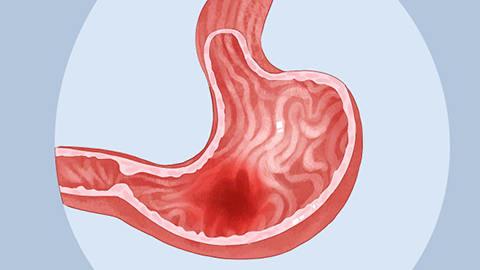
Therefore, the decision regarding when a patient with alcohol-induced gastric bleeding may resume eating must be made by the physician based on a comprehensive assessment of the patient’s clinical status and diagnostic findings. We hope this information proves helpful.





