Is lipogenic pancreatitis the same as liver cancer?
Aug 24, 2022
Source: Cainiu Health

Dr. Zhao Haiming
Introduction
Lipid-induced pancreatitis is not liver cancer. It can only be said that hyperlipidemia may be a trigger for pancreatitis, as patients with hyperlipidemia may experience alterations in pancreatic microcirculation—including even the formation of small thrombi—that can precipitate pancreatitis. Consequently, in current clinical practice, hyperlipidemia is frequently identified in some patients with pancreatitis. At times, this condition can be vividly described as a thick layer of oil floating atop the serum in a test tube.
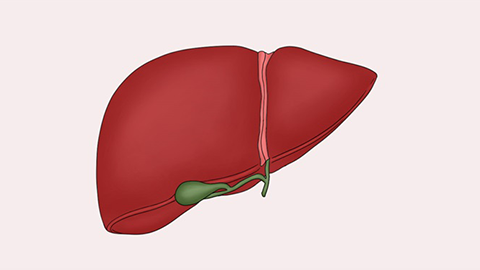
In fact, liver cancer is a malignant tumor of the liver, primarily categorized into metastatic liver cancer and primary liver cancer. The term “liver cancer” commonly used in daily life usually refers to primary liver cancer—the most frequently encountered type in clinical practice. According to the latest statistics, approximately 600,000 new cases of liver cancer are diagnosed worldwide each year. So, is hyperlipidemic pancreatitis liver cancer?
Is Hyperlipidemic Pancreatitis Liver Cancer?
No, hyperlipidemic pancreatitis is not liver cancer. Rather, hyperlipidemia may serve as a trigger for pancreatitis, as it can induce microcirculatory changes in the pancreatic blood vessels—potentially even leading to formation of small thrombi that precipitate pancreatitis. Consequently, in clinical practice, elevated serum lipid levels are frequently observed among patients with pancreatitis. In some cases, the serum may appear visibly turbid with a thick layer of fat when drawn into a test tube. Hyperlipidemia poses significant health risks—not only increasing the risk of pancreatitis but also contributing to cardiovascular and cerebrovascular diseases. Patients are advised to undergo appropriate intervention or treatment for hyperlipidemia under the guidance of a physician.

Hyperlipidemic pancreatitis is a form of acute pancreatitis caused by markedly elevated serum triglyceride levels, often associated with factors such as binge eating and excessive alcohol consumption. Acute pancreatitis is an inflammatory condition characterized by autodigestion of pancreatic tissue, resulting in edema, hemorrhage, necrosis, and other forms of inflammatory injury. Pancreatic enzymes—such as phospholipase and trypsin—are secreted in an inactive precursor form known as zymogens (e.g., trypsinogen). These zymogens remain inert until they reach the duodenum, where they are activated by enterokinase—a proteolytic enzyme present in the intestinal lumen. Only upon activation do these enzymes acquire their digestive function.
After recovery from acute pancreatitis, patients should consume non-irritating, easily digestible, and nutritionally rich foods. A low-fat diet is recommended, including soy products, lean meats, fish, and shrimp. Prior to resuming regular three-meal-a-day eating, patients should adopt a pattern of smaller, more frequent meals and strictly avoid fried or greasy foods. We hope this information proves helpful to you.