Is end-stage cirrhosis the same as liver cancer?
Aug 24, 2022
Source: Cainiu Health

Dr. Zhao Haiming
Introduction
Advanced cirrhosis is not liver cancer. The late stage of cirrhosis refers to the decompensated phase of cirrhosis, which is associated with numerous complications, including upper gastrointestinal bleeding, electrolyte imbalances, hepatorenal syndrome, hepatopulmonary syndrome, and spontaneous bacterial peritonitis. Hepatocellular carcinoma (HCC) is merely one of these complications. From a medical perspective, cirrhosis is a classic underlying condition predisposing to malignant nodular lesions.
Liver cirrhosis is a disease caused by metabolic disorders, viral hepatitis, schistosomiasis, chronic alcohol abuse leading to alcoholic intoxication, and other factors. In addition to active medical treatment, patients with liver cirrhosis should observe certain precautions that promote recovery. So, is end-stage liver cirrhosis synonymous with liver cancer?
Is End-Stage Liver Cirrhosis the Same as Liver Cancer?
No, end-stage liver cirrhosis is not liver cancer. End-stage cirrhosis refers to the decompensated phase of cirrhosis, during which numerous complications may arise—including upper gastrointestinal bleeding, electrolyte imbalances, hepatorenal syndrome, hepatic encephalopathy, and spontaneous bacterial peritonitis—among which hepatocellular carcinoma (HCC) is only one possible complication. From an imaging perspective, the presence of an abnormal lesion in the liver—characterized by specific radiological features such as arterial-phase enhancement, prolonged portal venous-phase enhancement, and increased blood flow signals on CT—suggests HCC; however, cirrhosis itself does not equate to liver cancer.
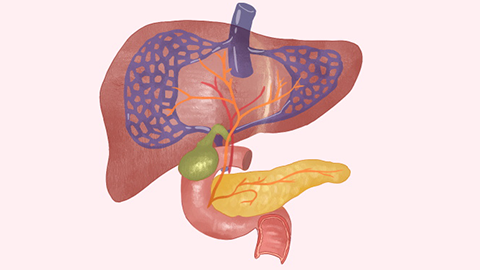
Patients are advised to consume high-protein foods whenever possible, such as milk, eggs, fish, and shrimp. Unless allergic to these foods, regular intake of such high-protein sources is generally recommended to support adequate protein intake and minimize protein catabolism. However, if a patient has recurrent or chronic hepatic encephalopathy in the late stage of cirrhosis, high-protein intake must be restricted, as it may readily trigger or exacerbate hepatic encephalopathy.
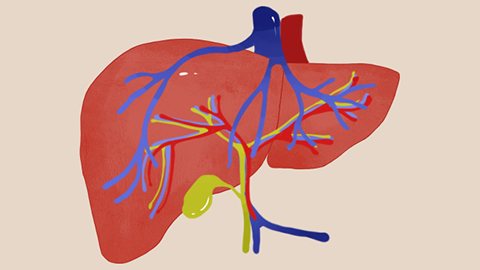
In daily life, patients should maintain a positive mental outlook, actively cooperate with their physicians’ treatment plans, take prescribed medications regularly and in correct dosages, and pay close attention to routine self-care—thereby facilitating prompt clinical improvement.