What to do in the late stage of cirrhosis
Sep 13, 2022
Source: Cainiu Health

Dr. Jin Zhongkui
Introduction
Aggressive symptomatic treatment is essential. If surgical intervention is feasible, surgery should be prioritized to resect the hepatic lesion(s). Alternatively, interventional therapy may be performed, along with hepatoprotective measures. Concurrently, active conservative symptomatic management—including intramuscular or intravenous injections—is recommended. In end-stage liver cirrhosis, there is no definitive curative treatment; management options are limited to surgery, percutaneous interventions (e.g., biopsy or ablation), and aggressive conservative symptomatic therapy aimed at preventing complications.
Cirrhosis is a very common gastrointestinal disease. What should be done in the late stage of cirrhosis?
What to do in the late stage of cirrhosis
In the advanced stage, active symptomatic treatment is essential. If surgical treatment is possible, surgery should be performed whenever feasible to remove the focal lesion occupying the liver. Alternatively, interventional therapy can be considered, along with liver-protective measures. Additionally, aggressive conservative and symptomatic treatments are recommended, including injections, which may be highly beneficial. In late-stage cirrhosis, there are no particularly effective cures; the main approaches include surgery, biopsy, injections, and active conservative symptomatic management to prevent complications.
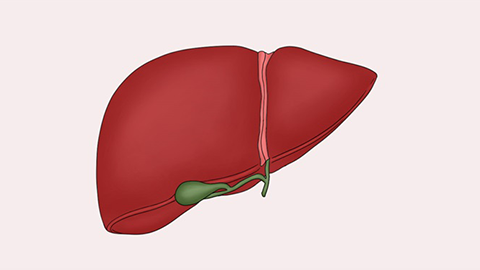
Primary liver cancer generally refers to malignant tumors arising from hepatocytes or intrahepatic bile ducts and is one of the fifteen most common malignant tumors. It has an extremely high mortality rate, ranking third among all malignant cancers, following only lung cancer and gastric cancer. Viral hepatitis is the leading cause of primary liver cancer. The condition typically begins as chronic hepatitis, gradually progresses to persistent hepatitis, and eventually develops into cirrhosis—evolving through early and late stages. Diagnosis usually requires color ultrasound imaging of the liver, gallbladder, pancreas, and spleen to evaluate liver size, surface smoothness, texture coarseness, splenomegaly, presence of ascites, portal vein width, and other related indicators.

If such conditions occur, it is crucial to seek prompt medical treatment at a hospital. We hope this article has been helpful to you. Wishing you good health and a happy life!