


Can patients with mumps eat fish?
Aug 24, 2022
Source: Cainiu Health

Dr. Zhang Liwen
Introduction
Mumps patients are advised not to eat fish. Individuals with chronic recurrent mumps should follow a light diet and avoid spicy, greasy, and “heat-inducing” foods. Although fish is highly nutritious and rich in protein, it is considered a “heat-inducing” food in traditional Chinese medicine; consuming it may exacerbate symptoms such as parotid gland swelling. In severe cases, it may even aggravate inflammation or trigger disease recurrence.
Mumps is an acute infectious disease commonly affecting children and adolescents. With prompt and appropriate treatment, most patients recover without major complications. However, it is important to note that in rare cases, mumps can lead to serious complications such as meningitis and orchitis, which pose greater health risks. So, can patients with mumps eat fish?
Can patients with mumps eat fish?
Fish is generally not recommended for individuals with mumps. Patients with chronic recurrent mumps should follow a light, bland diet and avoid spicy, greasy, and “trigger” (i.e., allergenic or inflammation-aggravating) foods. Although fish is highly nutritious and rich in protein, it is considered a “trigger food” in traditional Chinese medicine—consumption may exacerbate symptoms such as parotid gland swelling. In severe cases, it may even intensify inflammation or trigger disease recurrence. Therefore, fish should be avoided in cases of chronic recurrent mumps. Additionally, patients should steer clear of other irritants, including spicy, hard, sour, and sweet foods, as well as stimulants such as coffee and strong tea.
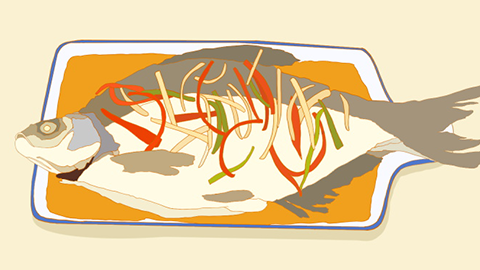
During an active mumps episode, fish consumption is not advised. Both fish and shrimp are classified as “trigger foods,” and patients should avoid spicy, irritating foods—and even hair-care products—as these may worsen parotid swelling and aggravate symptoms. Furthermore, acidic foods—especially sour fruits—and hard foods such as nuts should be limited during illness, as they stimulate salivary gland secretion and thereby intensify patient discomfort.
Patients are advised to maintain healthy daily habits, practice good oral hygiene, follow a balanced diet, and avoid spicy and irritating foods. We hope this information is helpful to you.


