


Can patients with mumps eat fish?
Aug 24, 2022
Source: Cainiu Health

Dr. Zhang Liwen
Introduction
During a mumps outbreak, consuming fish is not recommended. Both fish and shrimp are considered “hair-trigger” foods (i.e., foods traditionally believed to provoke or exacerbate inflammatory conditions). During mumps, patients should avoid spicy, irritating foods—and also refrain from using hair-care products containing strong fragrances or irritants—since such items may worsen parotid gland swelling and intensify symptoms. Additionally, acidic foods—especially acidic fruits—and hard foods such as nuts should be consumed sparingly during illness, as they can stimulate increased salivary gland secretion and thereby aggravate discomfort.
The parotid gland is the largest salivary gland in the human body and plays a vital role in maintaining health. In daily life, many people develop parotitis— inflammation of the parotid gland—due to bacterial or viral infections triggered by various factors. Consequently, mumps (epidemic parotitis) is a relatively common condition encountered in everyday clinical practice. So, can patients with parotitis eat fish?
Can patients with parotitis eat fish?
It is generally not recommended to consume fish during an active parotitis episode. Both fish and shrimp are considered “hair-trigger” foods (i.e., foods traditionally believed in Chinese medicine to provoke or exacerbate inflammatory conditions). During parotitis, patients should avoid spicy, stimulating, and “heat-inducing” foods—including hair-trigger foods—as these may worsen swelling and intensify symptoms. Additionally, acidic foods—especially sour fruits—and hard, crunchy foods such as nuts should be limited, as they can stimulate excessive salivary secretion and thereby aggravate discomfort. Rinsing the mouth promptly after meals is advised to maintain oral hygiene.
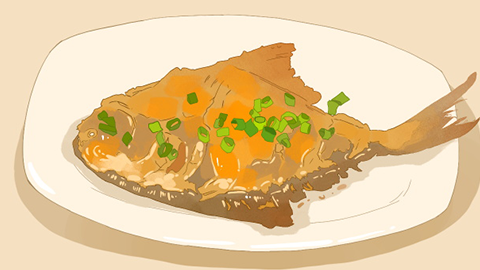
During parotitis, patients should avoid fish with pungent or sweet flavors—such as carp or yellow croaker—as well as chicken. Consumption of these foods may trigger disease flare-ups, intensify pain, and exacerbate pre-existing parotid swelling and tenderness. Furthermore, cooking should exclude chili peppers and other spicy seasonings, and consumption of lamb and other “heat-inducing” meats should also be avoided. Fruits such as longan, lychee, and hawthorn should likewise be avoided. Infection with the mumps virus or similar pathogens significantly increases the risk of developing parotitis.
Patients are advised to pay close attention to dietary management throughout treatment—strictly avoiding all spicy foods—and to ensure adequate rest. We hope this information proves helpful.


