


Does chewing gum help with bad breath?
Aug 24, 2022
Source: Cainiu Health

Dr. Zhang Liwen
Introduction
Chewing gum can help alleviate bad breath. However, if you stop chewing gum, the bad breath will persist; therefore, the underlying cause of halitosis should be identified and treated to eliminate it. One possible cause is inadequate oral hygiene—specifically, insufficient toothbrushing. When large amounts of food debris remain in the mouth, bacterial fermentation of this debris can lead to bad breath.
Bad breath (halitosis) is truly bothersome and can significantly disrupt daily life. In fact, nearly everyone experiences halitosis at some point. Particularly in social situations, individuals may avoid face-to-face conversations—or even greetings—due to embarrassment, leading to diminished self-confidence. Some people turn to chewing gum as a quick fix; but does chewing gum actually help alleviate bad breath?
Does chewing gum help with bad breath?
Chewing gum can provide temporary relief from bad breath. However, once gum use stops, the odor typically returns. Therefore, identifying and treating the underlying cause is essential for long-term resolution of halitosis. Poor oral hygiene—such as inadequate brushing—is a common cause: food debris left in the mouth undergoes bacterial fermentation, producing unpleasant odors. Halitosis may also stem from systemic conditions, including diabetes, gastrointestinal disorders, or chronic sleep deprivation. Prolonged gum chewing is not recommended, as it may strain the temporomandibular joint (TMJ). Thus, the most effective approach to managing halitosis is to identify its root cause and pursue targeted treatment.
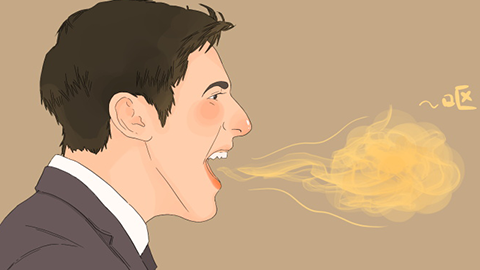
Chewing gum offers only temporary relief from bad breath. Underlying causes may include prolonged unhealthy lifestyle or dietary habits, periodontitis, oral infections, or chronic gastrointestinal diseases. Gum often contains flavorings and menthol, which mask odor briefly. For lasting improvement, however, it’s critical to pinpoint the primary cause, maintain thorough oral hygiene, and treat any localized oral disease. If gastrointestinal issues are responsible, appropriate medical management is required. Mouthwashes, toothpastes, and medications specifically formulated to freshen breath may also be helpful.

Patients are advised to prioritize oral hygiene by brushing teeth thoroughly twice daily (morning and night) and rinsing after meals. Long-term or excessive gum chewing is discouraged. We hope this information proves helpful.


