


Can dental fillings be performed when experiencing toothache?
Aug 24, 2022
Source: Cainiu Health

Dr. Zhang Liwen
Introduction
When toothache occurs, the appropriate measures depend on its underlying cause. Generally, if the toothache is caused by deep dental caries, it typically manifests as transient pain triggered by food or other stimuli entering the dental cavity; the pain subsides immediately once the stimulus is removed. In such cases, pain can be alleviated through dental restoration (e.g., filling). However, if the toothache presents as spontaneous, paroxysmal pain…
In real life, some patients often pay little attention to their oral health and sometimes forget to brush their teeth—especially at night. These unhealthy habits are frequently the underlying cause of toothache. So, can a tooth be filled when it hurts?
Can a tooth be filled when it hurts?
When toothache occurs, the appropriate course of action depends on its underlying cause. Generally, if the pain is caused by deep dental caries, it typically manifests as transient discomfort triggered by food or other stimuli entering the dental cavity; the pain subsides immediately once the stimulus is removed. In such cases, dental restoration (filling) can effectively alleviate the pain. However, if the toothache presents as spontaneous, intermittent pain—worsening at night and exacerbated by thermal stimuli—and is accompanied by radiating pain, this indicates acute pulpitis. Under these circumstances, direct filling is not possible. Instead, root canal treatment must be performed promptly prior to restoration to control the inflammation.
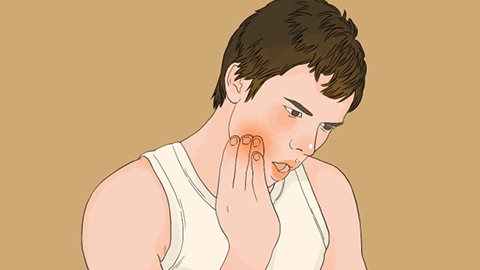
If a tooth is painful, direct filling is generally not feasible. The underlying cause of the pain must first be identified and appropriately treated. For instance, if the pain is merely stimulus-induced due to simple dental caries—without involvement or infection of the dental pulp nerve and without spontaneous pain symptoms—then the decayed tissue and underlying carious dentin can be removed, followed immediately by restoration. Conversely, if spontaneous pain has already occurred—or is occurring—it signals inflammation of the dental pulp nerve, necessitating root canal treatment first, followed by restoration after successful completion of therapy.

We recommend that patients also pay attention to their diet during treatment, maintain healthy lifestyle habits, and follow a balanced, nutritious diet. We hope this information proves helpful to you.



