


Can wisdom teeth be extracted when the gums are swollen?
Aug 24, 2022
Source: Cainiu Health

Dr. Zhang Liwen
Introduction
Impacted wisdom teeth with gingival swelling cannot be extracted. There are indications for tooth extraction; however, gingivitis is a contraindication to extraction—specifically, extraction is prohibited during the acute phase of gingivitis. Since the inflammation is localized in the gingiva, extracting the tooth during this period may allow the inflammatory process to spread systemically via the bloodstream, potentially causing systemic symptoms such as fever and chills. Laboratory findings—such as leukocytosis or neutrophilia—are indicative of inflammation.
Both adults and children are prone to developing wisdom teeth. Located at the very back of the dental arch, wisdom teeth are difficult to clean effectively. During eating, food often becomes impacted around them, causing significant discomfort. Many people therefore consider having them extracted. However, improper extraction of wisdom teeth carries numerous risks. So, can wisdom teeth be extracted when the gums are swollen?
Can wisdom teeth be extracted when the gums are swollen?
Wisdom teeth cannot be extracted while the gums are swollen. Swelling indicates active inflammation, and gingivitis—particularly in its acute phase—is a contraindication for tooth extraction. Since the inflammation is localized in the gingiva, extracting a tooth during this period may allow inflammatory agents to enter the bloodstream, potentially triggering systemic symptoms such as fever and chills. Laboratory tests often reveal leukocytosis or neutrophilia—elevated white blood cell or neutrophil counts—indicating active inflammation. Localized pain may also cause dryness of the eyes and severe patient discomfort. Therefore, if extraction is contraindicated due to gingival inflammation, patients should first visit a dental clinic for gingival irrigation and anti-inflammatory treatment. Only after the inflammation has been adequately controlled should the wisdom teeth be removed.
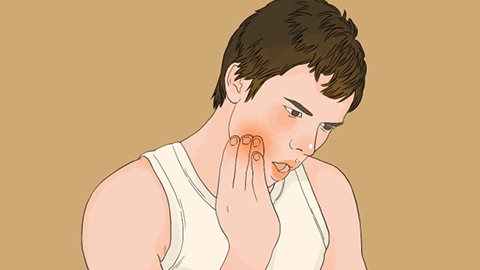
Gingival swelling around wisdom teeth commonly results from food debris and bacteria accumulating in the blind pouch (periodontal pocket) between the gum tissue and the tooth, thereby irritating surrounding gingival tissues and provoking inflammation. This inflammation must be actively treated prior to extraction. Performing extraction blindly during an acute inflammatory episode significantly increases the risk of bacteremia—bacterial entry into the bloodstream—which may lead to widespread dissemination of infection. In severe cases, patients may develop high fever, transient bacteremia, or even sepsis. Typical symptoms—including localized swelling and pain around the wisdom tooth—should be managed through local irrigation, thorough cleaning, topical medications, and oral antibiotics. Once inflammation subsides and swelling and pain resolve, extraction can proceed more safely.
We recommend consuming light, soft staple foods—such as noodles or bread—to minimize irritation. Patients are advised to consult the periodontal department at a local dental hospital for a comprehensive evaluation of their gingival tissues. We hope this information proves helpful.





