


Will dysmenorrhea improve after marriage?
Aug 24, 2022
Source: Cainiu Health

Dr. Lv Aiming
Introduction
After marriage, dysmenorrhea symptoms in some women may lessen or even disappear—particularly in cases where the dysmenorrhea is caused by environmental or psychological factors. This improvement is primarily attributed to the maturation of the female endocrine system after marriage and the increased secretion of prostaglandins following sexual intercourse, which enhances uterine contractions and facilitates menstrual blood expulsion, thereby alleviating dysmenorrhea. However, if dysmenorrhea results from uterine developmental abnormalities…
Menstruation results from the cyclical shedding of cells from the endometrial lining of the uterus. It commonly causes abdominal pain in women. Some people claim that dysmenorrhea (painful menstruation) disappears after marriage—so does marriage actually alleviate menstrual pain?
Does marriage alleviate dysmenorrhea?
After marriage, some women experience reduced or even resolved dysmenorrhea—particularly when the pain stems from environmental or psychological factors. This improvement is largely attributable to better maturation of the endocrine system post-marriage and increased prostaglandin secretion following sexual intercourse, which enhances uterine contractions and facilitates more efficient expulsion of menstrual blood—thereby reducing pain. However, if dysmenorrhea arises from organic causes such as uterine hypoplasia, vaginal anomalies, imperforate or microperforate hymen, pelvic masses, adnexitis, or endometriosis, marriage will not relieve symptoms—and may even impair future fertility.
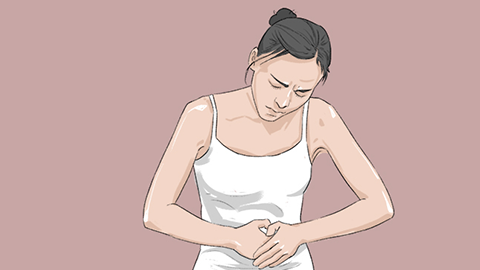
Managing dysmenorrhea also requires consistent daily care. Women should prioritize warm, nourishing foods and avoid cold or spicy items. Dietary adjustments should be tailored to individual constitution and eating habits. First, women with average constitutions may benefit from consuming warming soups during menstruation—such as red bean soup, longan soup, or pig trotter soup—to replenish fluids and prevent thirst associated with menstruation. Second, legumes and legume-based products—including bean sprouts, soy milk, and tofu—are especially recommended during this time.
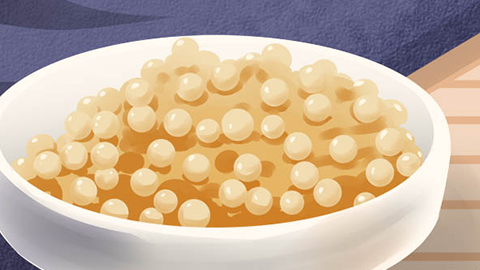
During menstruation, women should abstain from alcohol and continue favoring warm, gentle foods while avoiding cold or stimulating ones. We hope this information proves helpful to you.



