


Are pancreatic stones synonymous with chronic pancreatitis?
Aug 24, 2022
Source: Cainiu Health

Dr. Jin Zhongkui
Introduction
Pancreatic calculi are not chronic pancreatitis; rather, they are caused by chronic pancreatitis. Pancreatic calculi are relatively rare digestive system stones—typically hard, resembling glass or coral—and rarely resolve spontaneously. Surgical intervention is usually required for stone removal, and spontaneous resolution is not possible. Surgical approaches include pancreatic ductotomy, pancreaticojejunostomy, and partial pancreatectomy to achieve therapeutic goals.
Pancreatic calculi (stones) are common in chronic pancreatitis, a condition resulting from recurrent episodes of acute pancreatitis that lead to pancreatic fibrosis, pancreatic duct obstruction, and pancreatic atrophy. Pancreatic stones may occur within the main pancreatic duct or be widely distributed throughout the pancreatic parenchyma. So, are pancreatic stones synonymous with chronic pancreatitis?
Are Pancreatic Stones the Same as Chronic Pancreatitis?
No—pancreatic stones are not chronic pancreatitis itself; rather, they are a complication caused by chronic pancreatitis. Pancreatic calculi are relatively rare digestive system stones, typically very hard—resembling glass or coral—and rarely resolve spontaneously. Surgical intervention is usually required for stone removal, and self-resolution is virtually impossible. Common surgical approaches include pancreatic ductotomy, pancreaticojejunostomy, and partial pancreatectomy, all aimed at achieving definitive treatment. Because chronic pancreatitis and its underlying causes must also be thoroughly addressed, complete cure of pancreatic stones remains challenging; however, integrated treatment incorporating traditional Chinese medicine may be beneficial.
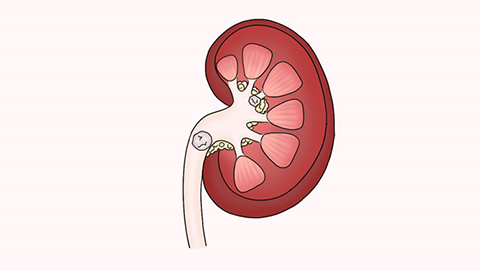
Pancreatic calculi refer to a stone-forming disease occurring within the pancreas, most commonly associated with chronic alcohol abuse. Clinically, patients often present with abdominal pain, jaundice, and unintentional weight loss. Without timely treatment, complications such as diabetes mellitus and pancreatic cancer may develop. Surgery is the primary treatment modality; medications generally fail to alleviate symptoms. The specific surgical approach should be determined following thorough clinical evaluation and diagnosis by a physician. Postoperatively, patients should adopt appropriate dietary habits—avoiding gas-producing foods, abstaining from smoking and alcohol, refraining from consuming organ meats, and limiting dietary fat intake.

Patients should avoid heavy alcohol consumption in daily life. In cases of severe symptoms, prompt medical evaluation and treatment at a hospital are essential. We hope this information proves helpful to you.




