


Treatment Options for Uterine Adenomyoma
Aug 24, 2022
Source: Cainiu Health

Dr. Lv Aiming
Introduction
Treatment options for adenomyomas include pharmacotherapy and surgical intervention, particularly for patients without future fertility requirements. For younger patients with mild symptoms, symptomatic analgesics or hormonal medications prescribed by a physician may be used to manage adenomyoma. In some younger patients, the levonorgestrel-releasing intrauterine system (LNG-IUS, e.g., Mirena®) is recommended, as the locally released progestin can suppress the growth of adenomyomas.
For women, uterine health is critically important. Some patients with adenomyosis experience increasingly severe dysmenorrhea (painful menstruation) and progressively heavier menstrual bleeding. Therefore, when uterine health issues arise, patients must select an appropriate treatment approach. So, what are the treatment options for adenomyoma?
Treatment Options for Adenomyoma
Treatment modalities for adenomyoma include pharmacotherapy, surgical intervention, and management strategies tailored to whether the patient desires future fertility. For younger patients with mild symptoms, symptomatic pain relief medications or hormonal therapies prescribed by a physician may be used to manage adenomyoma. In some young patients, the levonorgestrel-releasing intrauterine system (LNG-IUS, e.g., Mirena®) is recommended, as the locally released progestin helps suppress the growth of adenomyotic tissue and alleviates pain.
Surgical treatment is another option, which may involve either conservative (partial) resection or radical (hysterectomy) surgery. However, unlike uterine leiomyomas (fibroids), adenomyomas lack well-defined margins, making complete surgical excision extremely challenging.
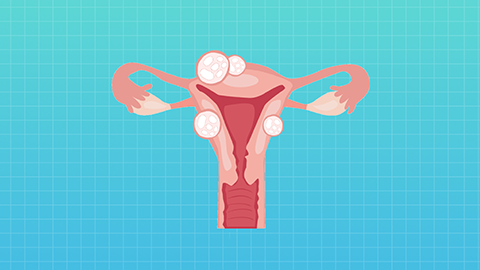
Although adenomyoma is a benign condition, it exhibits locally invasive, “malignant-like” behavior—often infiltrating deeply into the myometrium, rendering complete removal impossible. If a patient strongly wishes to preserve her uterus, surgeons may perform maximal safe resection of the affected tissue, leaving behind residual disease in certain areas. For women over 40 years old without childbearing aspirations and suffering from prolonged, debilitating dysmenorrhea, total hysterectomy may be indicated. This conventional surgical approach is typically reserved for severe, multifocal adenomyosis and effectively eliminates the uterus—and thus the source of the disease. Postmenopausal women who no longer require fertility preservation may opt for this treatment, as it definitively eliminates the risks of adenomyoma progression or malignant transformation.
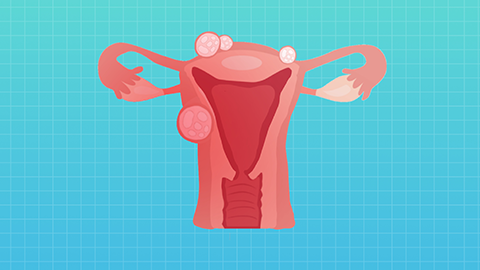
Patients are also advised to combine pharmacologic therapy with dietary and lifestyle modifications, which may help control the progression of adenomyoma. We hope this information proves helpful to you.







